Stump pain
The stump itself hurts: from pressure and rubbing of the socket, damaged nerves, scars.
 Discuss your case
Lower limb amputation is the loss of part of the leg: foot, shin, or thigh—after injury, trauma, or vascular disease. After this, a person learns to walk with a prosthesis, and the surgeon can help when the stump hurts, the socket rubs, or it doesn’t fit.
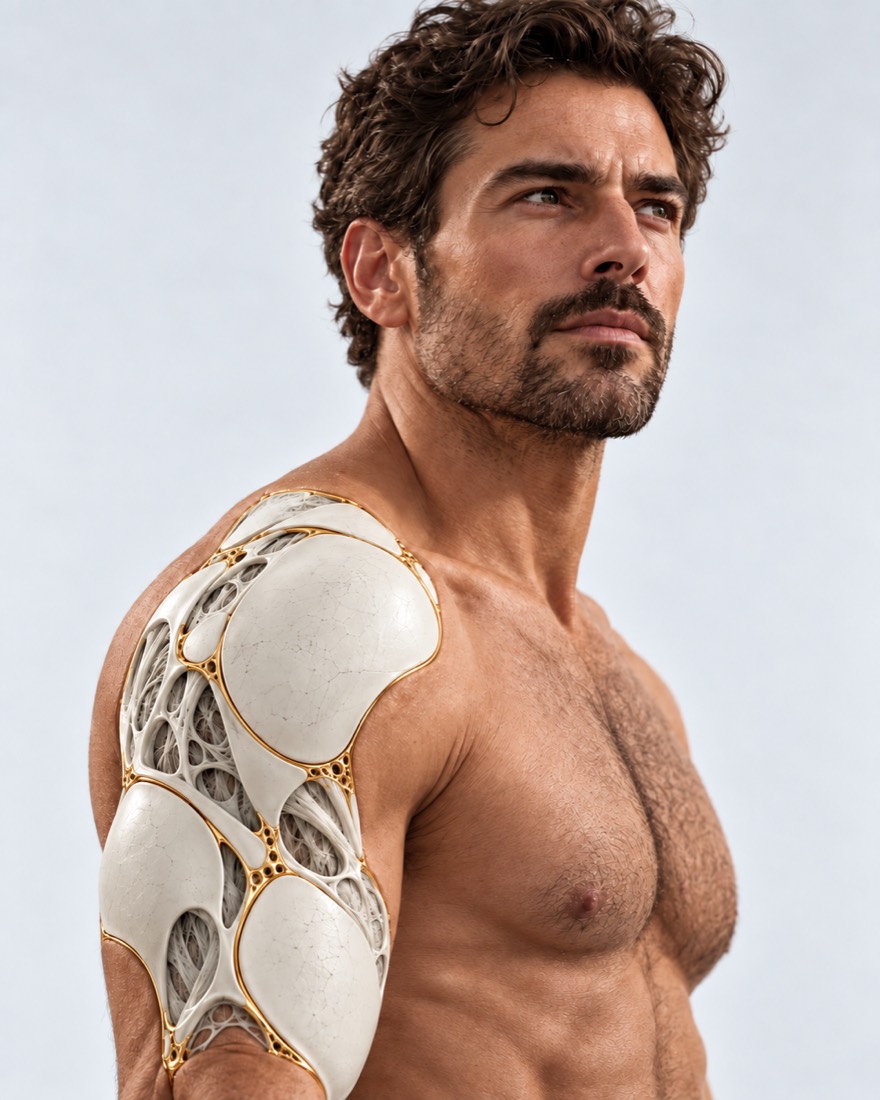 CONCEPTUAL VISUALIZATION
The leg can be amputated at the level of the toes or part of the foot, the lower leg (below the knee), the thigh (above the knee), or the hip joint. The level determines which joints are preserved, which prosthesis will fit, and which operations on the stump are possible.
Walking with a prosthesis requires significantly more effort because the lost muscles and bone need to be compensated for. Therefore, a prosthesis is not suitable for everyone, and rehabilitation takes a long time. The updated 2024 clinical guideline of the U.S. Departments of Veterans Affairs and Defense contains 26 recommendations and emphasizes multidisciplinary collaboration at all stages.
This page is about life after leg amputation and about how a surgeon can help: reduce pain, restore the stump, secure the prosthesis to the bone if the socket does not fit. The prosthesis itself is made by prosthetists. Both military personnel and civilians consult — after the hospital, years later, or even before a planned amputation.
This is general information. The doctor will tell you what will suit you after the examination.
Most often, pain and the socket make walking difficult. One affects the other: a painful or chafed stump prevents wearing a prosthesis.
The stump itself hurts: from pressure and rubbing of the socket, damaged nerves, scars.
Sharp pain in a certain spot of the stump when touched or pressed with a sheath — this is often how a neuroma manifests.
Stump neuromaThe foot or leg that is no longer there hurts: burning, shooting pain, cramps. These sensations are real.
Phantom painChafing, blisters, irritation. In a Canadian analysis of 745 people with a leg prosthesis, at least one skin problem was present in 40.7% of stumps.
The stump is short or changes in volume, skin sweats — the prosthesis slips off, walking is difficult.
Ulcers, unstable scars, bone under thin skin — wearing a prosthesis is painful or impossible.
Problematic stumpThe condition of the stump tissue, general health, and the course of recovery depend on the cause.
Gangrene due to narrowing of the arteries in the legs, a complication of diabetes. In the U.S. assessment for 2005, 38% of people living without a limb lost it due to vascular disease associated with diabetes.
Crushing, explosion, severe leg injuries where the limb cannot be saved.
Fire woundSevere limb infection that cannot be cured while saving the leg.
According to a meta-analysis: prolonged preoperative pain, higher level of amputation, pain in the stump, phantom sensations, as well as the amputation itself.
Old amputation, stump pain, or an uncomfortable prosthesis — a planned situation, usually does not require emergency care. But after a recent surgery and in the presence of signs of infection or clot, do not delay.
Immediately - to the surgeon who operated, and if it does not work - to the waiting room: after a recent surgery the stump is increasingly painful or swollen; the skin of the stump is warm, red, and painful; fluid or pus is coming from the wound. On the same day: pulsating pain or swelling in the other leg, the skin around it has turned red or darkened (possible clot); coughing up blood; depressed mood or thoughts of suicide — tell your doctor, and if there is a danger that the person might harm themselves right now, call 103. Planned: pain in the stump, in the back, or phantom pain that does not go away; the socket rubs or does not stay in place; amputation is only planned — consult a surgeon together with a prosthetist.
When, at what level, and why the amputation was done, what surgeries have already been performed, whether there is diabetes and vascular diseases, what hurts, how you walk with the prosthesis. Take discharge summaries and imaging.
The surgeon assesses the skin and scars, painful spots, whether there is enough soft tissue over the bone, and movements in the knee or hip joint.
The doctor examines the other leg too: after amputation it bears more load, and it needs to be protected.
X-rays or CT scans show the length and condition of the stump bone — this is important for osseointegration and reconstruction.
The surgeon and the prosthetist decide what operation is needed and whether it is needed at all.
The basis of recovery is rehabilitation and a well-fitted prosthesis. Surgery on the stump is needed when pain, skin, or the shape of the stump prevents the prosthesis from working. The plan is made for each individual.
Receiving a prosthesis is not enough — you need to learn to walk with it.
When the socket does not fit.
Lower limb amputation at the Doctor Valikhnovskyi Institute of Surgery is carried out in the direction of "Bionic Limb Prosthetics." The clinic performs the surgical part — operations on the stump, nerves, and bone. The prosthesis itself is selected and made by a partner prosthetist; the plan is developed together. Diabetes and vascular diseases are treated by specialized doctors.
Plastic surgeon, candidate of medical sciences, founder of Dr. Valikhnovskyi Institute of Surgery.
Short answers. What is right for you, the doctor will tell you during the consultation.
No. The clinic performs surgical stump preparation, and the prosthesis is selected and made by a partner prosthetist; the plan is made together.
First of all, for those who cannot walk normally with a shell. Important factors are bone quality, skin condition, and willingness to care for the pin site daily. If everything is fine with the shell, the method may not provide any additional benefit.
Usually several months: the bone gradually fuses with the titanium, and load on the leg is increased according to a rehabilitation program.
It may decrease, but not in everyone and not always completely. In a review of 17 studies, phantom pain after TMR or RPNI decreased in 45–80% of patients. More details can be found on the page about phantom pain.
This is common: according to a meta-analysis, 55% of people have back pain after leg amputation, and it often occurs together with stump pain. Tell your doctor and rehabilitation specialist about it.
Yes. TMR or RPNI can be performed during the amputation itself—as a preventive measure to reduce the risk of neuromas and phantom pain.
Yes, both military personnel and civilians seek help. The surgeon states the cost of the operation after an examination; the prosthesis is paid for separately to the prosthetist.
The figures on the page are from these sources.
Send a photo of the stump, medical records, and images. The doctor together with the prosthetist will tell whether surgery is needed and which type.
Leave your contact details and briefly describe the situation. A coordinator will contact you to agree on the next step.