CONDITION / ARMS AND LEGS

Phantom pain.

Phantom pain — pain in a part of the limb that is no longer present after amputation. It is real, not imaginary. It is treated with medication, exercises, and psychological support, and if that does not help, by surgery on the stump nerves.

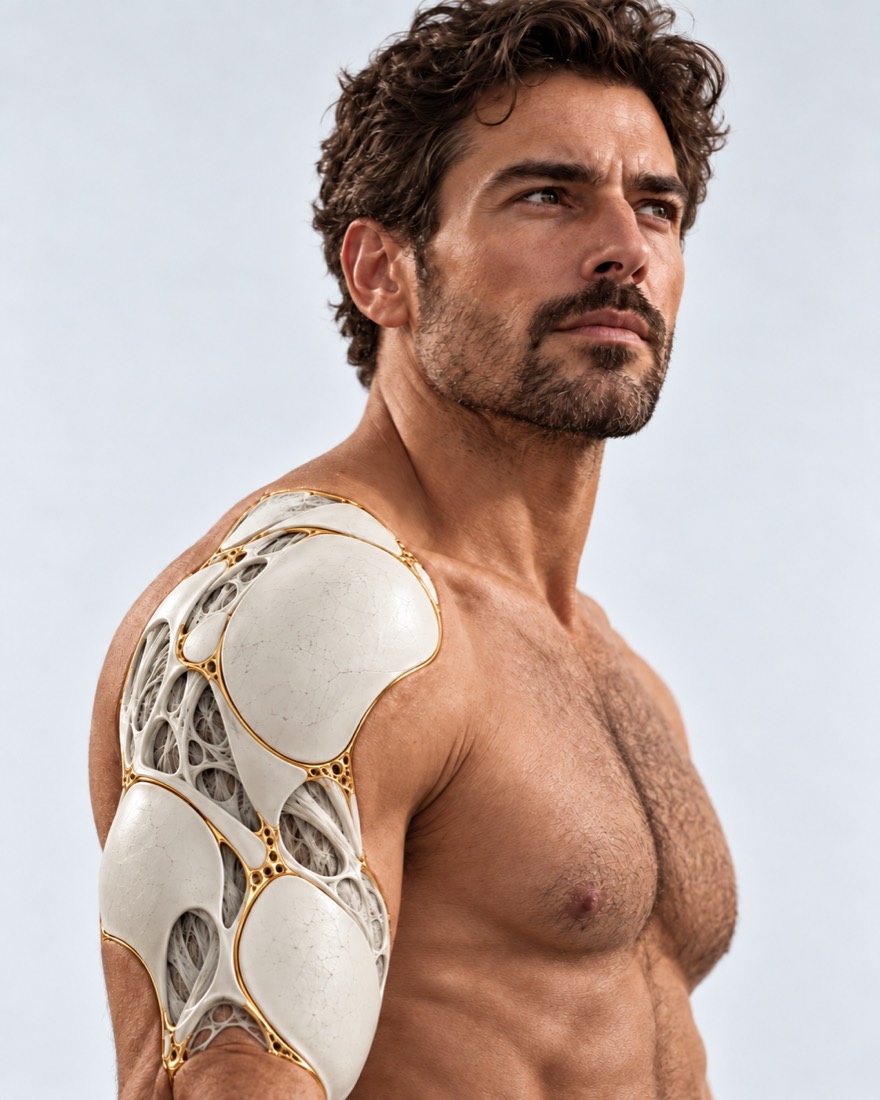
Conceptual visualization: limb stump and preparation for a modern prosthesisCONCEPTUAL VISUALIZATION
What it is
Pain that is felt in the lost part of the limb.
How common
According to a meta-analysis, 64% of people report phantom pain after amputation.
Is it real
Yes. The word “phantom” does not mean that the pain is made up.
Who treats it
Pain doctor or neurologist, rehabilitation specialist, psychologist; surgeon — if the cause is in the stump nerves.

What is
phantom pain.

Phantom pain is pain felt where a limb is no longer present: in the fingers, hand, or foot. It is distinguished from phantom sensations, when it feels like the limb is still there but does not hurt, and from pain in the stump itself.

The word 'phantom' does not mean that the pain is imaginary. It is real pain, confirmed by brain studies that looked at how nerve signals are transmitted to the brain. It can occur as brief flashes lasting a few seconds, similar to an electric shock, or it can be constant and severe.

Usually over time, phantom pain weakens, but in some people it becomes chronic. According to cross-sectional studies, in about a quarter of people with chronic phantom pain it noticeably or severely interferes with life. For such cases, there are treatments — ranging from exercises and medications to surgeries on the stump nerves.

This is general information. The doctor will tell you what will suit you after the examination.

How
phantom pain presents.

The pain is felt in the part of the limb that is missing and can vary greatly. What people most often seek help for:

01

Pain in the lost limb

Burning, shooting, cramps in the fingers, hand, or foot that are no longer present.

02

Flashes of 'electricity'

Short bursts of pain lasting a few seconds, similar to an electric shock.

03

Constant pain

In some people, the pain does not go away and can be severe.

04

Phantom sensations

It seems that the limb is in place and you can feel it. This is not yet pain, but with such sensations, phantom pain occurs more often.

05

Stump pain

A painful spot on the stump may be a neuroma. Pain in the stump is one of the risk factors for phantom pain.

Stump neuroma
06

Sleep and mood

Phantom pain interferes with rehabilitation, worsens mental health, and reduces quality of life.

Why it hurts
The limb that is no longer there.

According to a meta-analysis, phantom pain occurs more often in such cases:

Pain before amputation

The limb hurt for a long time even before the surgery. According to research reviews, pain before amputation and intense early phantom pain predict that the pain will become chronic.

High amputation

Amputation closer to the trunk — for example, above the knee or elbow.

Leg amputation

Phantom pain occurs more often after leg amputation than after arm amputation.

Lower limb amputation

Stump pain

Pain in the stump itself, particularly from neuromas, is associated with phantom pain.

Stump neuroma

Phantom sensations

The sensation that the limb is still present is also associated with a higher risk of phantom pain.

When to seek medical advice?

Phantom pain by itself usually does not require urgent care: it is a scheduled consultation. But prolonged pain is exhausting, and if thoughts of suicide appear, help is needed immediately.

103 immediately if:

  • A person has seriously harmed themselves — for example, taken an excessive dose of medication;
  • A person feels that they might soon harm themselves.

Do not delay a visit to the doctor:

Immediately - to the surgeon who operated, and if it does not work - to the reception department: after a recent amputation or surgery on the stump, pain or swelling of the stump increases rapidly. Immediately, without delay: thoughts of ending your life — tell someone close to you or someone you trust, and contact the 24-hour Lifeline Ukraine hotline (7333) or a doctor for urgent care. On the same day: the stump skin is hot, red, and painful, fluid or pus is coming from the wound, or swelling is increasing. Planned: phantom pain that does not go away, interferes with sleep, work, or wearing a prosthesis.

How to evaluate
phantom pain.

  1. Conversation

    When and at what level the amputation was, where and how it hurts, what increases the pain, which medications and exercises have already been tried.

  2. Stump examination

    The doctor looks for painful points and neuromas, chafing, scars — stump pain is associated with phantom pain.

  3. Pain assessment

    Pain is assessed on a scale from 0 to 10, so that later it can be seen whether the treatment is helping.

  4. Prosthesis

    How the socket fits and whether it causes chafing — adjusting the prosthesis can also reduce pain.

  5. Sleep and mood

    The doctor will ask about sleep and mood: after amputation, depression occurs in about one-third of people.

How we treat
phantom pain.

There are no universally accepted guidelines for phantom pain, and data on most methods are still limited. Therefore, treatment is combined and tailored to the individual.

01

Exercises and rehabilitation

Without medication or surgery.

Mirror therapy
The mirror is placed so that the reflection of the healthy limb is seen in the place of the lost one, and it is moved. In a meta-analysis of 10 randomized studies, pain decreased during the first month; long-term effects were not proven, and a review of only placebo-controlled studies found no evidence of effectiveness.
Gradual motor imagery
Sequential exercises: recognizing the left and right limb, imaginary movements, then the mirror. In chronic pain, generally the method reduced pain better than regular physiotherapy, but data are limited: 2 studies, 63 patients.
Prosthesis and stump
Use of a functional prosthesis is supported by experts; socket fitting, compression garments, massage, and TENS — weak electrical impulses — help some people.
02

Medicines

Prescribed by a pain specialist or neurologist.

Medicines for nerve pain
For nerve pain, generally amitriptyline, duloxetine, gabapentin, or pregabalin are offered as options; if one does not help or is poorly tolerated, another is tried.
What is specifically known about phantom pain
According to a Cochrane review (14 studies, 269 participants), the evidence for medications is still inconclusive. For gabapentin, the results are contradictory: in the combined data from 2 studies, pain was reduced compared to placebo, but sleep, mood, and daily activity did not improve. Amitriptyline and memantine may not be effective specifically for phantom pain. The studies were small.
Nervous system stimulation
Magnetic brain stimulation in one high-quality study temporarily reduced pain; for implantable stimulators there are no randomized studies, so reliable data are still lacking.
03

Psychological support

Pain and limb loss affect mood.

Psychotherapy
Experts support cognitive-behavioral therapy based on clinical experience, although there is little scientific evidence so far.
Depression and stress
According to a meta-analysis of 61 studies (9,852 people), depression after amputation occurs in about one-third. After traumatic amputation, especially in military personnel, there is a higher risk of post-traumatic stress disorder.
Relatives
Support from relatives and an active approach to difficulties are associated with lower prevalence of depression.
04

Surgery

If the cause is neuromas.

TMR
Neuromas are transferred to the motor branches of muscles. In a randomized study of 28 patients, TMR reduced phantom pain more than neuroma excision with nerve burial in muscle.
TMR and RPNI
In a review of 17 studies, phantom pain decreased in 45–80% of patients depending on the study — so not in all. Complications occurred in 13–31%, most often delayed wound healing.
During amputation
If TMR or RPNI is performed during the amputation itself, phantom pain, according to observational data, occurs less often. In cohort studies of preventive RPNI, the risk of phantom pain was approximately halved, but the reliability of these data is low or very low.

How
we treat it.

Phantom pain at the Dr. Valikhnovskyii Institute of Surgery is treated in the direction of "Bionic Limb Prosthetics." The clinic is responsible for the surgical part — operations on stump nerves if medication and rehabilitation do not help. Medication and non-medication treatment is managed by a pain doctor or neurologist, exercises by a rehabilitation specialist, support by a psychologist, and the prosthesis by a prosthetist-partner.

CLINIC SERVICE Bionic limb prostheses Preparing the stump for a modern prosthesis: less phantom pain, clearer signals, attachment to the bone. View service

What we do for this condition

  • TMR — Targeted Muscle Reinnervation — stump nerves are transferred to the motor branches of muscles; in many patients, pain decreases, although not in all.
  • RPNI — nerve ends are wrapped with small muscle grafts from the patient's own tissues.
  • Excision of neuromas — if there is a painful neuroma in the stump, it is excised, and the nerve is transferred to a muscle.
  • Prevention during amputation — if the amputation is ahead, TMR or RPNI can be performed during the operation itself to reduce the risk of neuromas and phantom pain.
  • Training with a prosthesis — together with a prosthetist and occupational therapist — from simple movements to daily activities.

Rostislav Valikhnovskyi

Plastic surgeon, candidate of medical sciences, founder of Dr. Valikhnovskyi Institute of Surgery.

How treatment works with us

  1. Online descriptions and discharge summariesDescribe the pain and send discharge summaries and images, if available — the doctor will preliminarily assess the situation.
  2. ConsultationExamination of the stump, pain assessment, prosthesis, and what has already been tried.
  3. PlanWhether surgery on nerves makes sense and what part of treatment is managed by the pain doctor, rehabilitation specialist, and psychologist.
  4. SurgeryTMR or RPNI — separately or during amputation if it is ahead.
  5. RecoveryWound healing and pain control; nerves grow into muscles over months, exercises and prosthesis training continue after surgery.

Common
questions

Short answers. What is right for you, the doctor will tell you during the consultation.

Is phantom pain "in the head"?

No. It is real pain, and brain research has confirmed this. The word "phantom" only refers to the pain being in a part of the limb that is no longer there.

Does phantom pain go away?

It usually weakens over time. If the pain persists, interferes with sleep, work, or wearing a prosthesis, consult a doctor: treatment is available.

Does mirror therapy help?

It can help for a short time: in a meta-analysis of 10 studies, pain decreased during the first month. A long-term effect has not been proven, so it is one of the methods, not the only one.

What medicines help?

For nerve pain in general, there are first-choice medications, but specifically for phantom pain, the evidence is inconclusive. Medicines are selected by a doctor; do not take strong painkillers on your own.

Will surgery help?

It may help: TMR and RPNI reduce phantom pain in many patients, though not in all and not completely. Surgery is considered when medication and rehabilitation do not help.

Amputation is still ahead. Can the risk be reduced?

TMR or RPNI can be performed during the amputation itself. Observational data show that phantom pain occurs less often afterward, but high-quality studies are still limited.

Is a psychologist needed?

Often so. Depression after amputation occurs in about a third of people; experts support cognitive-behavioral therapy. If thoughts of suicide appear, immediately tell your loved ones and doctor or call the 24-hour Lifeline Ukraine (7333).

Sources

16 sources · meta-analyses, Cochrane and NIHR reviews, expert consensus, randomized trial, NHS and NICE
showCollapse
  1. The prevalence and risk factors for phantom limb pain in people with amputations: A systematic review and meta-analysisPLOS ONE, 2020doi:10.1371/journal.pone.0240431 ↗
  2. Brain and spinal stimulation therapies for phantom limb pain: a systematic reviewHealth Technology Assessment, 2018doi:10.3310/hta22620 ↗
  3. Pharmacologic interventions for treating phantom limb painCochrane Database of Systematic Reviews, 2016doi:10.1002/14651858.CD006380.pub3 ↗
  4. Effectiveness of Mirror Therapy for Phantom Limb Pain: A Systematic Review and Meta-analysisArchives of Physical Medicine and Rehabilitation, 2022doi:10.1016/j.apmr.2021.07.810 ↗
  5. Effect of mirror therapy in the treatment of phantom limb pain in amputees: A systematic review of randomized placebo-controlled trials does not find any evidence of efficacyEuropean Journal of Pain, 2023doi:10.1002/ejp.2035 ↗
  6. The effects of graded motor imagery and its components on chronic pain: a systematic review and meta-analysisThe Journal of Pain, 2013doi:10.1016/j.jpain.2012.09.007 ↗
  7. Treatment Recommendations for Phantom Limb Pain in People with Amputations: An Expert Consensus Delphi StudyPM&R, 2021doi:10.1002/pmrj.12556 ↗
  8. The prevalence of depression in people following limb amputation: A systematic review and meta-analysisJournal of Psychosomatic Research, 2024doi:10.1016/j.jpsychores.2024.111677 ↗
  9. Targeted Muscle Reinnervation Treats Neuroma and Phantom Pain in Major Limb Amputees: A Randomized Clinical TrialAnnals of Surgery, 2019doi:10.1097/SLA.0000000000003088 ↗
  10. Targeted muscle reinnervation and regenerative peripheral nerve interfaces for pain prophylaxis and treatment: A systematic reviewPM&R, 2023doi:10.1002/pmrj.12972 ↗
  11. Targeted Muscle Reinnervation and Regenerative Peripheral Nerve Interfaces Versus Standard Management in the Treatment of Limb Amputation: A Systematic Review and Meta-AnalysisPlastic Surgery, 2024doi:10.1177/22925503221107462 ↗
  12. Prophylactic Regenerative Peripheral Nerve Interfaces for Prevention of Postamputation Pain: A Systematic Review and Meta-Analysis of Comparative Clinical StudiesJournal of Clinical Medicine, 2026doi:10.3390/jcm15155959 ↗
  13. AmputationNHS, 2023nhs.uk/tests-and-treatments/amputation ↗
  14. Help for suicidal thoughtsNHS, 2024nhs.uk/mental-health/feelings-symptoms-behaviours/behaviours/help-for-suicidal-thoughts ↗
  15. Neuropathic pain in adults: pharmacological management in non-specialist settings (CG173)NICE, 2020nice.org.uk/guidance/cg173 ↗
  16. Lifeline Ukraine — suicide prevention hotlineLifeline Ukraine, 2026lifelineukraine.com ↗

The figures on the page are from these sources.

VALIKHNOVSKI SURGERY PARTNERS

The limb hurts,
that isn't there?

Describe the pain and send your medical records. The doctor will say whether surgery on the nerve stump can help and what should be done in parallel.

Call Send an enquiry
ONLINE ENQUIRY

Tell us how we can help.

Leave your contact details and briefly describe the situation. A coordinator will contact you to agree on the next step.

Preferred contact method