Constant congestion
The nose breathes poorly in both halves or alternately, especially when lying down.
 Discuss your case
Hypertrophy of the nasal turbinates is an increase in the lower concha, due to which the nose is constantly blocked. If drugs do not help, the shells are reduced surgically - by vasotomy or conchotomy, mostly preserving the mucous membrane.
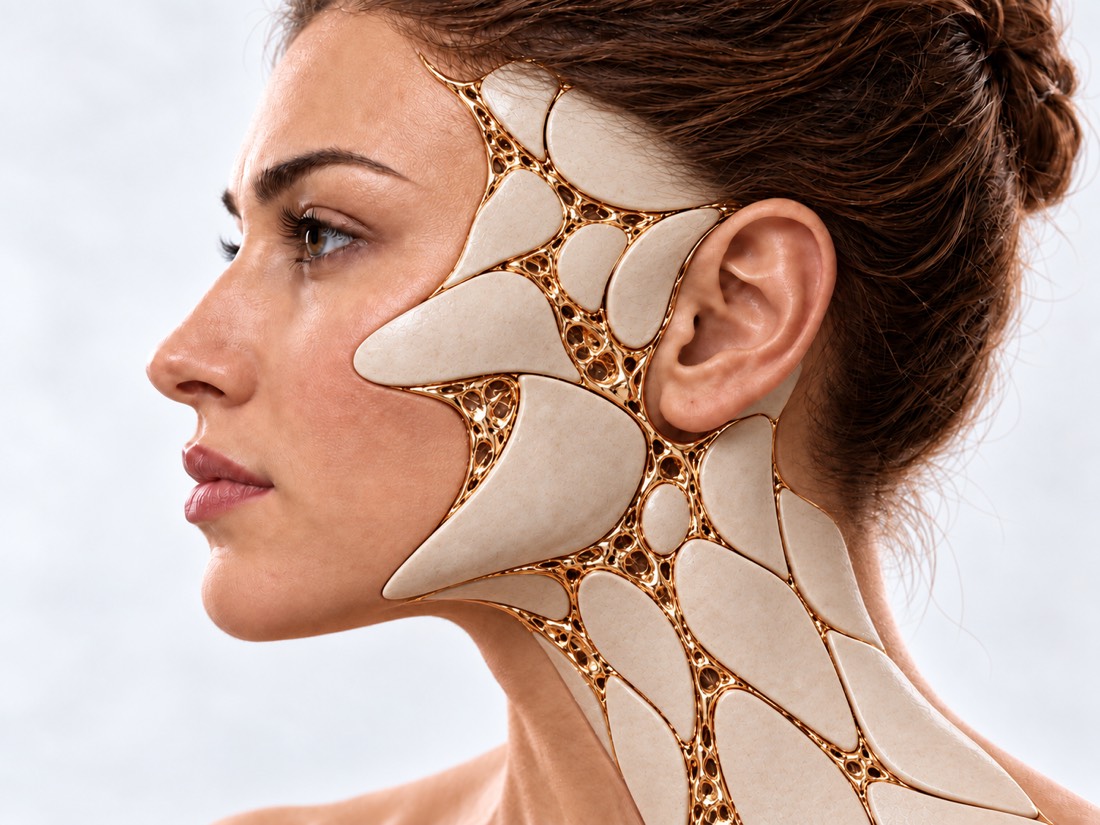 CONCEPTUAL VISUALIZATION
The lower turbinates are ridges on the side walls of the nose, covered with a mucous membrane with a dense network of vessels. They warm and moisten the air and regulate its flow: normally, they alternately swell a little on one side, then on the other.
With hypertrophy, the shells increase constantly. Most often - due to chronic swelling of the mucous membrane in rhinitis, over time - due to tissue growth, which is no longer reduced by drops.
The concha is not surgically removed, but reduced: modern methods preserve the mucous membrane, because it moistens the air and cleans the nose.
This is general information. The doctor will tell you after the examination whether you need an operation.
The main symptom is congestion that does not go away. Nasal congestion is the leading symptom of persistent allergic rhinitis.
The nose breathes poorly in both halves or alternately, especially when lying down.
At night and during exercise, you have to breathe through your mouth, in the morning - dry mouth.
Narrowed nasal passages increase snoring.
Vasoconstrictor drops help worse and worse and for a shorter time.
Vasomotor rhinitisMucus runs down the throat or flows from the nose, more often with rhinitis.
Nasal congestion can have anatomical, physiological, or neurological causes—often several at the same time.
Year-round allergies keep the mucous membrane of the shells constantly swollen.
The mucous membrane overreacts to cold, smells, weather changes, although there is no allergy.
Vasomotor rhinitisA curved septum narrows one nasal passage, and congestion increases.
Distortion of the septumOver the years, tissue growth is added to the swelling, which is no longer reduced by medication.
Hypertrophy of shells does not require emergency care. But congestion that lasts for weeks is a reason to see an ENT doctor: it can be caused by other conditions, such as polyps or a deviated septum.
Only one side is obstructed and bloody discharge appeared from it, or the obstruction is accompanied by pain in the face and temperature. If your nose has been breathing badly for a long time, make an appointment for a scheduled consultation.
The doctor evaluates the size of the shells, the condition of the mucous membrane and septum.
If, after vasoconstrictor drops, the shells noticeably decrease, swelling prevails; if not, tissue growth.
If necessary, an allergy test to treat the cause of the swelling.
If it is necessary to evaluate the septum, bony base of shells or sinuses.
Rhinitis, which causes swelling, is treated first. Surgery is offered when the blockage persists despite treatment.
In a review of 62 studies, all techniques reliably improved nasal breathing.
Hypertrophy of the nasal turbinates is treated at Dr. Valikhnovsky's Institute of Surgery in the direction of "New Nose" - together with the correction of the septum, if it also interferes with breathing.
Plastic surgeon, candidate of medical sciences, founder of Dr. Valikhnovsky Institute of Surgery.
Short answers. What is right for you, the doctor will tell you during the consultation.
An operation during which part of the vessels and tissue are destroyed under the mucous membrane of the nasal turbinates. The concha shrinks and swells less, and the mucous membrane that moistens the air remains intact.
Yes, if the congestion causes swelling, which is reduced by rhinitis treatment. Surgery is offered when treatment does not help.
In a review of 62 studies, all techniques improved breathing. In a meta-analysis of 7 randomized trials, microdebrider had a better long-term outcome than radiofrequency, although another review (6 trials) found no difference between the two. The method is chosen based on the review.
The greatest improvement is 3-6 months after surgery, when the swelling subsides and the mucosa heals.
A rare complication after complete or almost complete removal of conchas: the nose feels blocked, although the passages are wide, dryness and crusts appear. To avoid it, the shells are only reduced.
Yes. If the septum is crooked, it is straightened and the sinks are reduced in one operation.
The figures on the page are from these sources.
Describe how long you have had a blocked nose and what you have already tried. The doctor will tell whether the treatment of rhinitis will help, or whether it is necessary to reduce the shells.