Near the jaw and chin
A firm raised bump along the lower jaw, on the chin, or under it — at the site of a former pimple, cut, or suture.
 Discuss your case
Keloid scars on the face are dense scars that grow beyond the limits of the original wound, most often along the lower jaw, on the chin, and under it. After excision alone, they often recur, so they are treated with combined methods, and facial sutures are planned to be less noticeable.
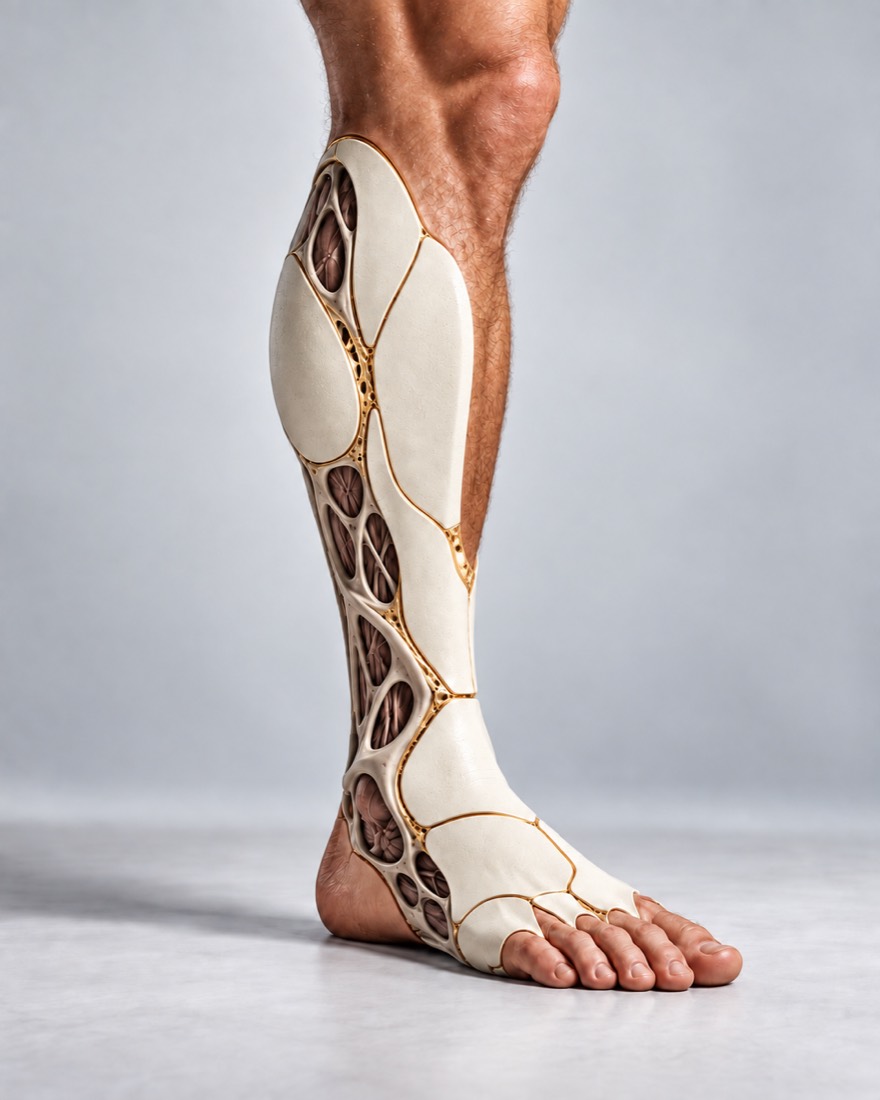 CONCEPTUAL VISUALIZATION
Keloid — a scar that does not remain within the boundaries of the wound but spreads to the surrounding healthy skin. It appears a few weeks, and sometimes even years, after skin damage — a cut, burn, or acne — and can grow for months or years.
On the face, keloids are distributed unevenly. According to a systematic review of 1,598 keloids of the head and neck, the highest tendency for them is around the ear, in the beard area, under the lower jaw and chin, and the lowest — in the center of the face. In a study of 113 patients with facial and neck keloids, they were most often near the angle of the mandible (41.3%) and on the side under the chin (20.0%).
Why exactly there? Keloids tend to appear where the skin experiences tension. In the same study, they were more often found in areas where the thickness and stiffness of the skin change the most when a person moves their head; this did not consistently coincide with areas having the most sebaceous glands or acne.
Hiding a scar on the face is difficult. The authors of the review note that keloids on the face and neck often distort appearance and cause psychological stress, so seeking help is normal.
This is general information. The doctor will tell you what will suit you after the examination.
A keloid can easily be confused with a hypertrophic scar or another skin formation, so the doctor will give a definitive diagnosis.
A firm raised bump along the lower jaw, on the chin, or under it — at the site of a former pimple, cut, or suture.
The scar extends beyond the edges of the former wound and can grow for months or years.
While the keloid is growing, it may itch and hurt; when growth stops, this usually subsides.
On the face, several keloids can merge into one large formation — then it is harder to remove and close the wound.
A hypertrophic scar is also raised and firm, but it does not extend beyond the wound and usually flattens over time.
Hypertrophic facial scarsKeloids on the earlobe and behind the ear have their own treatment peculiarities.
Keloid of the auricleA keloid is an excessive skin reaction to healing. The risk is influenced by the wound itself, skin tension, and a person's predisposition.
A keloid can grow at the site of pimples. Therefore, acne should be treated in time, and pimples should not be squeezed: this can leave scars.
Scars after acneAny damage to the facial skin—cut, burn, surgery, or piercing—in a predisposed person can result in a keloid.
Scars after operations on the faceThe tension of a wound or scar is one of the local factors for keloid growth. On the face, the skin is constantly moving, especially near the corner of the lower jaw.
Risk is higher if keloids have already occurred, as well as in people of Asian and African descent; in fair-skinned people, keloids occur less often and are usually less pronounced. Among general factors, high blood pressure and hereditary traits are also mentioned.
Keloid scarThe authors of the review advise people prone to keloids to consider the risk of a specific area of the face before a planned procedure.
A keloid itself does not require emergency care: this is a planned situation. But a fresh wound on the face or an infection in a scar may require immediate help. Call 103 if there is even one of these signs:
On the same day: the scar or wound on the face is swollen, painful, warm to the touch, or has pus discharge. Planned: If a scar appears on your face, is growing, itchy, or bothering you, or a keloid has returned after treatment — make an appointment for a consultation: early treatment can help stop its growth. It is also worth seeing a doctor if the pimples are deep, painful, or already leaving scars.
When and after what the scar appeared — a pimple, cut, surgery, or procedure; whether it is growing; whether there were keloids before or in the family; what has already been tried.
The boundaries, density, and size of the scar: whether it extends beyond the original wound. This is how a keloid is distinguished from a hypertrophic scar.
Face straight on, from the side, and from below — to plan treatment and compare changes over time.
If the growth looks unusual, the doctor will suggest an examination to distinguish the keloid from similar benign and malignant tumors.
It is impossible to remove a keloid without a trace, but treatment helps improve its appearance. According to international recommendations, the best chance is given by a combination of several methods tailored to the individual. On the face, there is an additional goal — to make the scars and side effects of the treatment itself as unnoticeable as possible.
For small keloids and as part of combined treatment.
Excision — only together with other treatment.
Facial keloids at the Valikhnovskyi Institute of Surgery are treated under the "New Face" program together with dermatologists from the "Rehabilitation after Aesthetic Surgery" program. The clinic is responsible for excision, wound closure, injections, laser treatment, and scar care; if radiation therapy is needed, it is performed by a radiotherapist in a specialized facility.
Plastic surgeon, candidate of medical sciences, founder of Dr. Valikhnovskyi Institute of Surgery.
Short answers. What is right for you, the doctor will tell you during the consultation.
Excision alone is usually not recommended: the keloid is most likely to grow again. Therefore, it is combined with injections, silicone, or radiation therapy, and the wound is closed without tension.
It is impossible to remove a keloid without a trace, but treatment helps improve its appearance, reduce itching and pain.
This is one of the main methods. But in a review of 15 randomized studies, a hormone concentration of 20 or 40 mg/ml more often caused thinning of the skin and vascular "stars," so the dose is selected by a doctor and the skin is monitored.
Keloids tend to appear where the skin is under tension and movement. In a study of 113 patients, facial and neck keloids were most often near the angle of the lower jaw.
It can. In a series of 202 patients with keloids of the head and neck after combined treatment, it recurred in 15%. Therefore, follow-up check-ups over a long period are important.
Tell the doctor about keloids before any planned procedure: the risk depends on the area, and it is taken into account in advance. Piercings and tattoos are advised to be avoided.
Camouflage creams and powders matched to your skin tone help. Protect the scar from the sun and use a cream with SPF 30 or higher.
The figures on the page are from these sources.
Send a photo of your face straight on, from the side, and from below. The doctor will advise how to treat the keloid and reduce the risk of its return.
Leave your contact details and briefly describe the situation. A coordinator will contact you to agree on the next step.