Larger than the wound
The scar extends beyond the former wound or puncture and continues to grow.
 Discuss your case
A keloid scar is a dense scar that continues to grow and extends beyond the boundaries of the original wound: on the chest, shoulders, ears, neck, or anywhere on the body. It is benign, but without treatment it usually does not flatten, and after excision it tends to recur, so treatment combines several methods.
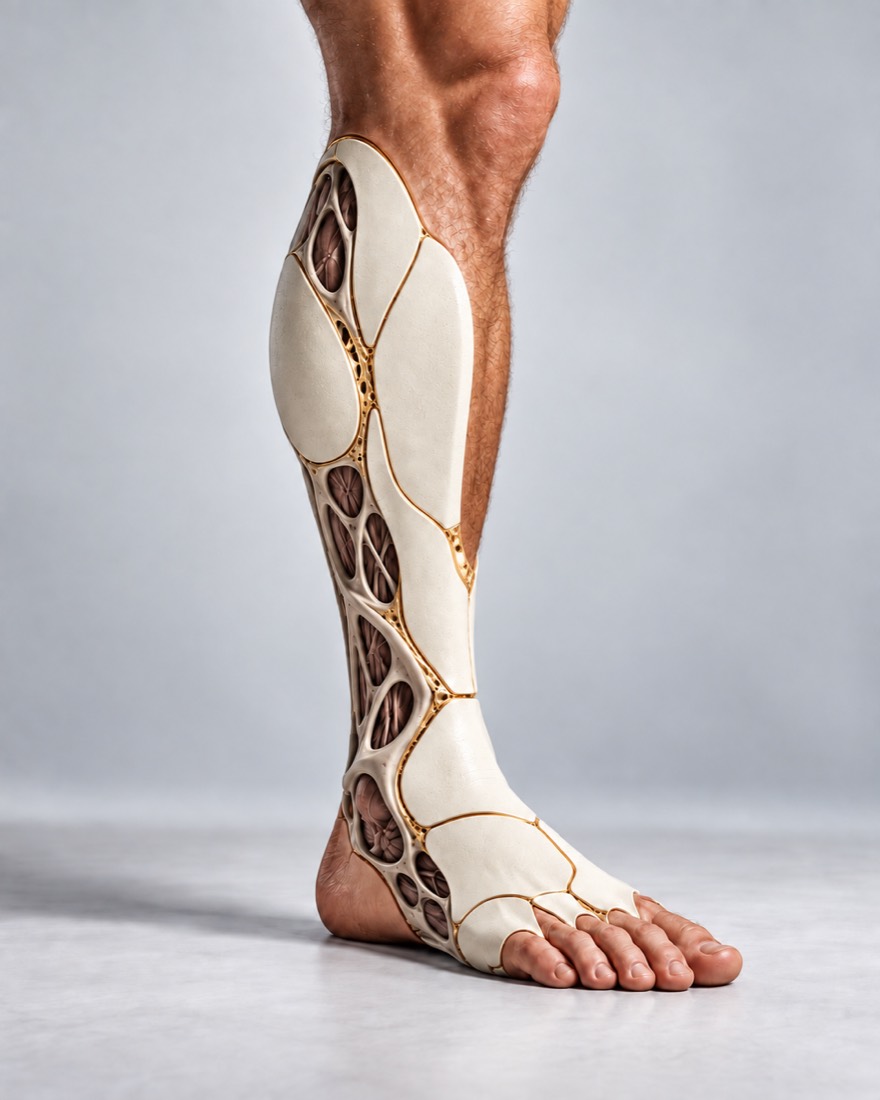 CONCEPTUAL VISUALIZATION
A keloid is a benign overgrowth of scar tissue. Most ordinary scars lighten over time, while a keloid continues to grow: its red edge, which itches, gradually extends onto healthy skin beyond the original wound.
It appears several weeks, and sometimes years, after the skin is damaged, grows for months or years, and usually does not flatten or fade without treatment. If a keloid is on or near a joint, moving can be uncomfortable or difficult.
It can be confused with a hypertrophic scar. That is also thick and firm, but it stays within the wound boundaries and mostly becomes flatter over the years. Treatment depends on this, so a doctor distinguishes between them.
Keloids can itch, be painful, and noticeably affect well-being: in three reviews of 30 studies, the quality of life of people with keloids was significantly worse than that of people without them.
This is general information. The doctor will tell you what will suit you after the examination.
The signs are the same on any part of the body. Whether it is really a keloid can ultimately only be determined by a doctor.
The scar extends beyond the former wound or puncture and continues to grow.
Usually smooth and shiny; color — flesh-colored, pink, red, purple, brown, or darker than the surrounding skin.
Especially while the scar is growing; when growth stops, this usually goes away.
A keloid on or near a joint can interfere with movement.
Ears are one of the common places for keloids, especially after piercing.
Keloid of the auricleThe chin and neck are also among common locations; treatment on the face has its own specifics.
Keloid scars on the faceA keloid grows where the skin is damaged, but not in everyone. Why some people are prone to keloids and others are not is not fully understood, and no genetic test can yet predict the risk.
A cut, burn, surgery, acne, or piercing — a keloid can appear even after minor trauma.
In a study of 715 patients in China, keloids in people with a family history were more severe and more often appeared on multiple areas of the body; among first-degree relatives, 7.62% had keloids — more than in the control group.
Keloids typically appear between the ages of 10–30; the risk is higher during pregnancy, as well as if keloids were already present.
Keloids are more common in people with darker skin — of African, South Asian, Chinese, or Afro-Caribbean descent. In light-skinned people, they are rarer and usually not as pronounced.
Factors contributing to keloid growth include tension of the wound or scar, high blood pressure, hereditary traits, and lifestyle.
After a burn, both keloids and scars that tighten the skin and restrict movement can form.
Post-burn contractureA keloid is a planned situation: it usually does not require urgent care. But a scar or fresh wound can become infected, and the infection can spread. Call 103 if there is even one of these signs:
On the same day: the keloid or other scar is swollen, sore, hot to the touch, or pus is released from it; the skin around is sore, hot and swollen. Planned: The scar grows, itches, hurts, interferes with movement, or just bothers you - make an appointment for a consultation. Start treatment early - this can help the keloid not grow further.
What was the reason, how much time has passed, is the scar still growing, have there been keloids before or in relatives who have already tried.
The doctor compares the scar with the edges of the former wound, evaluates its density and color, asks about itching and pain, and checks whether it interferes with movement.
Other scars are also examined: there may be several keloids, and the plan depends on their number and size.
Some benign and malignant tumors resemble a keloid; if the formation is unusual, the doctor will order an examination.
The goal of treatment is to make the keloid flatter and softer, relieve itching and pain, and prevent it from returning. International guidelines recommend combining methods and tailoring them to each person. A small solitary keloid can be removed with additional treatment or treated non-surgically with several methods; large or multiple keloids are reduced in size and number through surgery.
This is often where they start.
Only together with other treatment.
Keloid scars at the Valikhnovskyi Surgery Institute are treated by dermatologists and surgeons in the 'Rehabilitation after Aesthetic Surgery' department, while keloids after burns are treated together with the 'Reconstruction after Burns' department. The clinic is responsible for excision, injections, laser treatment, and scar care; if radiation therapy is needed, it is performed by a radiotherapist at a specialized facility.
Plastic surgeon, candidate of medical sciences, founder of Dr. Valikhnovskyi Institute of Surgery.
Short answers. What is right for you, the doctor will tell you during the consultation.
Most regular scars fade over time, whereas a keloid continues to grow and extends beyond the wound. A hypertrophic scar is also thick, but it stays within the boundaries of the wound.
A keloid is a benign formation. However, it can itch, hurt, interfere with movement, and affect well-being. A doctor can distinguish an unusual formation from a tumor.
Completely — no, but treatment helps make it less noticeable and reduce itching. Even after successful treatment, it can return, so check-ups are needed over a long period.
Heredity matters: in a study of 715 patients, people with keloids in the family had more severe cases. But there is currently no genetic test that could predict the risk.
Inform the surgeon about keloids in advance so that wound care can be planned taking the risk into account. Silicone on a healed scar may help, although the evidence is weak.
Laser is used together with other methods, but according to a Cochrane review, there is currently insufficient evidence of its effectiveness for keloids. What will suit you, the doctor will say after examination.
People prone to keloids are advised to avoid them: any skin damage can trigger a new keloid.
The figures on the page are from these sources.
Send a photo of the scar. The doctor will say whether it is a keloid and suggest a treatment plan.
Leave your contact details and briefly describe the situation. A coordinator will contact you to agree on the next step.