Obstruction on one side
One half of the nose breathes worse, especially if the cavity is large.
 Discuss your case
Concha bullosa is an air cavity inside the middle concha. It is present in about a third of people and mostly does not interfere with anything; operate only when the enlarged shell makes breathing difficult or causes pain.
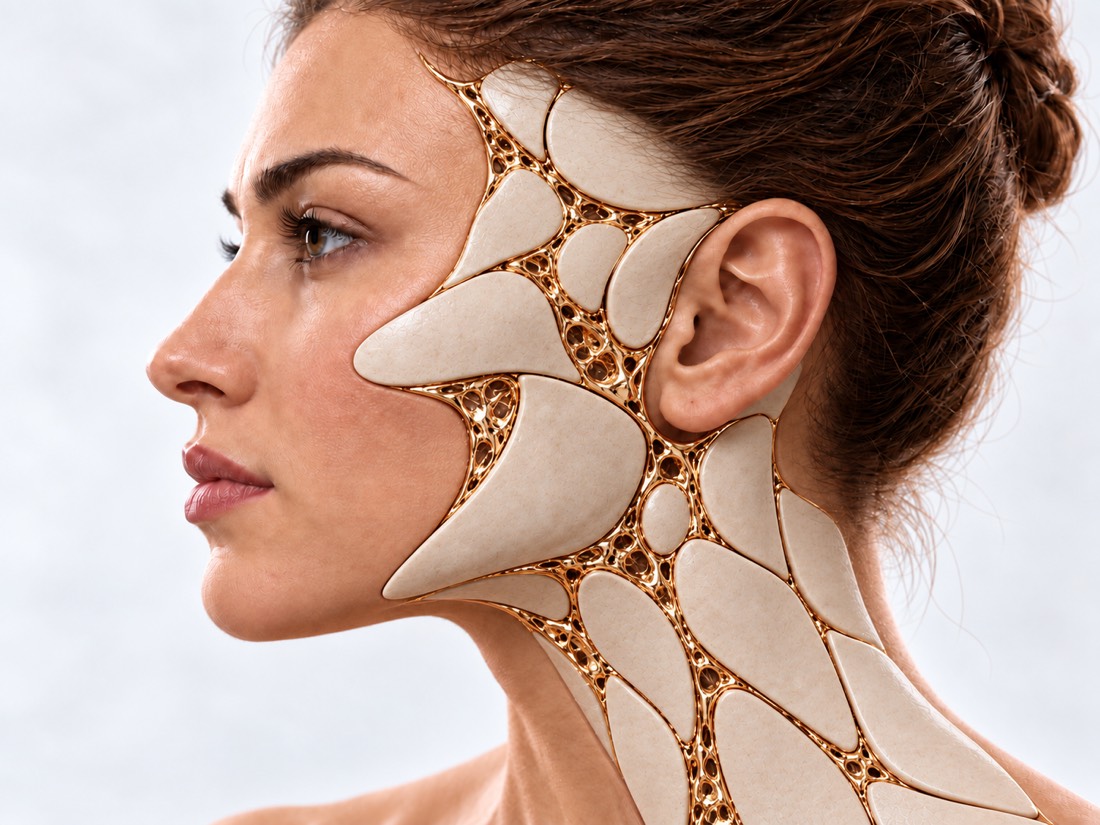 CONCEPTUAL VISUALIZATION
In the nose on each side there are three nasal turbinatess - bony plates covered with a mucous membrane. They warm and humidify the air. Conch bullosis is a condition where an air cavity forms inside the middle shell, like in a sinus.
The cavity can be small - only in the upper part of the sink, or it occupies the entire sink. Most often there are small variants; the bulbous form, when the air is only in the lower part of the shell, is the rarest.
In itself, concha bullosis is a structural variant, not a disease. Problems arise when the enlarged concha narrows the nasal passage and presses on the septum.
This is general information. Whether you need treatment, the doctor will tell after the examination and CT scan.
More often than not: conch bullous is found accidentally on a CT scan made for another reason. Complaints appear when the shell is large.
One half of the nose breathes worse, especially if the cavity is large.
The sink can touch the septum and cause a throbbing headache.
An enlarged concha prevents air from reaching the upper parts of the nose.
It is often combined with a bullous conch — the septum deviates in the opposite direction.
Deviation of the nasal septum, in particular after an injuryBullous conch is a feature of the development of the air cavities of the skull. Its frequency varies in different regions: from 31% in Asia to 47% in Europe.
The air cells of the ethmoid "enter" the middle shell. In one CT study of 3133 people, the mean concha bullosa was 44.74%.
Unilateral (21%) and bilateral (17%) forms occur approximately equally often.
Concha bulosa occurs more often with curvature of the septum, mostly on the opposite side: it was found in 45.34% of people with curvature, in 18.95% without it.
It also occurs in children - in 39.8% of those who had a head CT scan, more often after 4 years.
Concha bullosis is not an emergency. You should go to the doctor if your nose is not breathing well on one side for a long time, you have a headache in the area of your nose and eyes, or your sense of smell has worsened. Studies do not confirm the connection of conch bulosa with sinusitis, so the cause of the complaints is investigated separately.
Pain in the area of the face with temperature and purulent discharge does not go away in a few days or intensifies. If congestion and headaches last for months, make an appointment for a scheduled consultation.
The doctor examines the nasal passages with a thin camera and sees an enlarged middle concha.
Confirms the air cavity in the shell, shows its size and the condition of the sinuses.
They check for distortion, which often accompanies conch bullous.
It is important to understand whether it is the sink that is causing the blockage or the pain - this will determine whether surgery is needed.
If the conch shell does not bother you, you do not need to treat it. Medicines do not change the shape of the shell, therefore, if the shell is the cause of the complaints, it is corrected by surgery.
Through the nostrils, without incisions on the face.
At the Dr. Valikhnovsky's Institute of Surgery, concha bulosa is operated in the "New Nose" direction - endoscopically, along with correction of the septum, if it is needed.
Plastic surgeon, candidate of medical sciences, founder of Dr. Valikhnovsky Institute of Surgery.
Short answers. What is right for you, the doctor will tell you during the consultation.
No, this is a variant of the structure of the nose: according to a meta-analysis, it is present in about 36% of people. Treatment is needed only when it causes complaints.
Studies do not confirm this: studies on 296 and 206 patients did not find a significant connection between concha bullosa and sinusitis. Therefore, the cause of sinusitis is sought separately.
No. Medicines can reduce swelling of the mucosa, but the air cavity in the bone remains. If there are no complaints, there is no need to treat.
Maybe if the sink touches the partition. After endoscopic surgery, such pain in a summary of data of 978 patients decreased on average from 7.3 to 2.7 points out of 10.
No. The operation is performed inside the nose through the nostrils, the external shape does not change.
Yes: in a study of 384 children, it was 39.8%, more often after 4 years.
The figures on the page are from these sources.
Describe the complaints or send a CT scan if you have one. The doctor will tell if they are related to the shell and if surgery is needed.