A torn wound
The edges are uneven, the skin and soft tissues are torn or crushed - this is what a dog bite most often looks like.
 Discuss your case
The consequences of animal bites on the face are first a wound with the risk of infection, rabies and tetanus, and later scars or tissue loss of the lip, nose, and cheek. A fresh bite is a reason to seek help on the same day; scars and defects are corrected as planned.
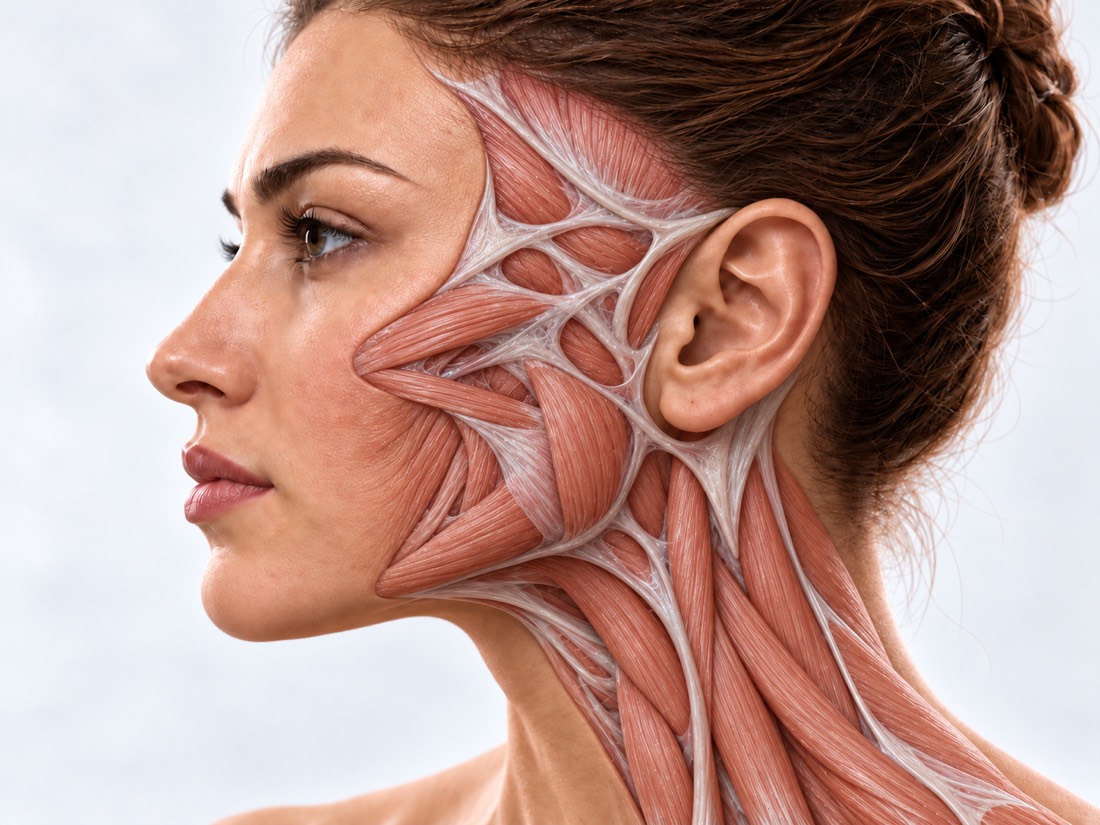 CONCEPTUAL VISUALIZATION
Most often, people are bitten by dogs, and mostly by familiar animals: their own or neighbors. On the face, the lips, cheeks and nose are most often affected. A dog usually crushes and tears tissue, while a cat leaves deeper puncture wounds.
In the first days, the main thing is infections. An animal's saliva can transmit rabies, and the face is a dangerous site for a bite, so vaccinations are started as early as possible. The risk of tetanus and wound infection with bacteria is also assessed.
Over time, the consequences remain: scars, asymmetry, loss of part of the lip, nose or ear. According to a review of studies, the most common complication after treatment of such wounds is a hypertrophic scar, that is, a thick and raised scar.
A bite can also leave a psychological mark, especially in children: fear of dogs, night terrors, anxiety.
This is general information. The doctor will tell you what will suit you after the examination.
Immediately after the bite, it is important to assess the depth of the wound, and after months - how the skin has healed and whether there is a lack of tissue.
The edges are uneven, the skin and soft tissues are torn or crushed - this is what a dog bite most often looks like.
A small but deep tooth hole is a typical cat bite. From the outside, it seems small.
The wound is hot, swollen, red, fluid flows from it or smells unpleasant, the temperature has risen.
A part of the lip, nose or ear is torn off - restoration is required.
Defects and deformations of the lipsThe scar is thick, red, tightens the lip or eyelid, changes the facial expression.
Scars after facial injuriesPart of the face does not feel touch or moves worse - possible nerve damage.
How well the wound heals depends on the animal, the location and depth of the bite, and how quickly treatment is started.
In a study of 168 patients, wounds treated within 8 hours became infected in 4.5% of cases and later in 22.2%.
In the same study, wounds longer than 3 cm healed with a worse external outcome, and head and neck wounds with a better one.
Children suffer from bites on the face more often than adults.
Rabies is most often transmitted to humans by cats and dogs, and from wild animals by foxes; especially dangerous stray animals.
If you have not been vaccinated against tetanus for more than 10 years, after a bite you need to seek help urgently.
Any bite to the face that breaks the skin is a reason to seek medical attention the same day, even if the wound is small. Immediately wash the wound with soap and water for at least 15 minutes and apply a clean cloth if bleeding occurs. Old scars and defects are a planned situation, they do not need urgent help.
On the same day: to the trauma center or anti-rabies office after any bite, scratch or skin damage to the face — to start vaccination against rabies and check protection against tetanus; rabies vaccinations are started before any symptoms appear. On the same day - and if there may be teeth, dirt or hair in the wound, the wound is hot, swollen, oozes liquid or smells bad, has a fever or is freezing, or part of the face has stopped moving. In the coming days: to the surgeon, if the wound has already been treated, but not sewn up, and it is wide, on the lip, nose or eyelid. Planned: scars, asymmetry, tissue defects — after the scar has matured, but you can see a doctor even earlier.
What kind of animal, is it domestic and vaccinated, when the bite happened, what vaccinations have already been done.
Depth, size, whether there are foreign bodies in the wound, whether there is a lack of tissue; sensitivity and facial movements are checked.
Pictures and tests are usually not needed - only if a foreign body may remain in the wound, deeper tissues are damaged or there is an infection.
Months later, the surgeon assesses the scars, facial symmetry, lips, nose, and eyelids and plans for recovery.
The treatment is in two stages: first, the wound and protection against infections, then, when necessary, restoration of the face shape. The first stage cannot be postponed.
The same day, outside the clinic.
The first hours and days.
In months, planned.
A fresh bite is first treated in a trauma center or a reception department - there they also start vaccination against rabies and tetanus. Dr. Valikhnovskyi's Institute of Surgery treats the consequences of bites in the "New Face" direction: scars, tissue loss, asymmetry.
Plastic surgeon, candidate of medical sciences, founder of Dr. Valikhnovskyi Institute of Surgery.
Short answers. What is right for you, the doctor will tell you during the consultation.
The decision is made by the doctor of the trauma center or the anti-rabies clinic - go there the same day. Ukraine remains endemic for dog rabies, and bites to the face are dangerous.
Wash the wound with soap and water for 15 minutes or longer, treat with an antiseptic, apply a clean napkin if bleeding, and seek help the same day.
Usually yes: on the face, such wounds are often sewn up immediately after thorough treatment. The doctor decides whether it is possible to sew up your wound.
Not always, but they are often prescribed. Prophylactic antibiotics are advised to be considered after any bite, especially when the risk of infection is high; whether you need them, the doctor decides.
According to modern schemes - five within 28 days. In case of facial bites, in addition to the vaccine, immunoglobulin is usually administered. It is not possible to arbitrarily interrupt the course - only the doctor can change the scheme.
Usually after the scar matures, when it becomes paler and softer. Earlier — if the scar prevents closing the eye or opening the mouth.
Fear of dogs, night terrors and anxiety are the most frequent psychological consequences of bites in children. If they persist, contact a child psychologist.
The figures on the page are from these sources.
Send a photo of your face. The doctor will tell you what can be corrected and when it is better to do it.
Leave your contact details and briefly describe the situation. A coordinator will contact you to agree on the next step.