CONDITION / SKIN AND SCARS

Unstable scar.

An unstable scar is a scar that repeatedly cracks, oozes, or develops non-healing sores. It should be shown to a doctor without delay: rarely, skin cancer develops in old scars. The unstable area is excised and closed with full-thickness tissue.

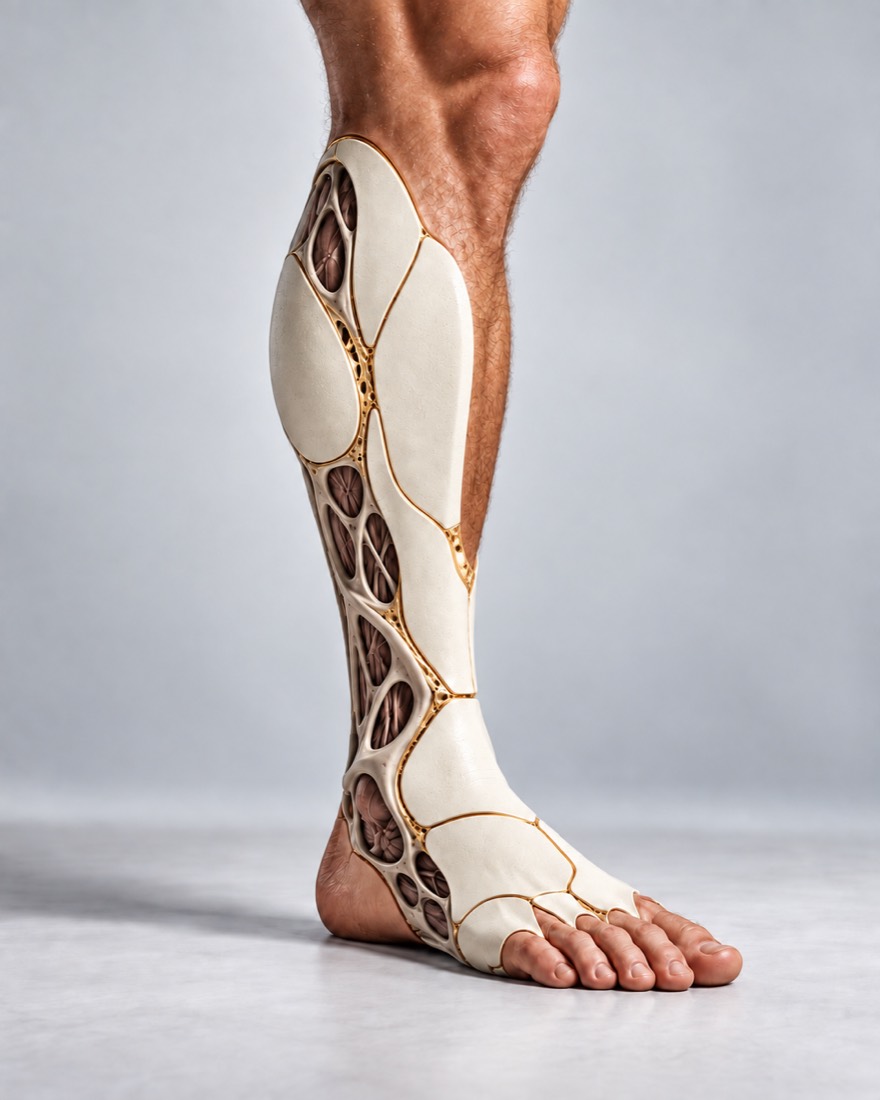
Conceptual visualization: restoring skin in a non-healing scar areaCONCEPTUAL VISUALIZATION
What it is
A scar that repeatedly cracks, oozes, or develops non-healing sores.
What is dangerous?
In old scars and non-healing wounds, skin cancer — Marjolin’s ulcer — occasionally develops.
How we treat
The unstable area is excised and covered with full-thickness tissue — either a graft or a flap.
Who treats it
Plastic surgeon; if the biopsy shows cancer — together with an oncologist.

What is
unstable scar.

A scar is the tissue the body uses to cover a deep skin injury. A scar is called unstable if it cannot withstand normal stress: it cracks repeatedly, becomes wet, develops scabs and sores, and wounds on it heal slowly or reopen.

An unstable scar is one of the consequences of burns, along with thick scars and contractures. It can also occur after injuries and after wounds that have healed slowly.

The main reason not to postpone a visit is the risk of cancer. Skin cancer, most often squamous cell carcinoma, occasionally develops in old scars and chronic wounds. It is called Marjolin's ulcer. According to reviews, it occurs in post-burn scars in 0.77–2% of cases.

Decades can pass between the injury and cancer: in a systematic review of 599 patients, the average period in different series ranged from 11 to 41 years (median — 28 years). The diagnosis is often made late, so a wound in an old scar that does not heal should be shown to a doctor.

This is general information. The doctor will tell you what will suit you after the examination.

How
unstable scar presents.

It is important to notice not only the wound itself but also the changes in it that may indicate cancer.

01

Cracks

The scar cracks, and the cracks keep reopening over and over again.

02

Oozing and scabs

The scarred area oozes, becomes covered with scabs, heals, and opens again.

03

A wound that does not heal

A sore or ulcer on the scar lasts for weeks. If the skin area is painful, itchy, or covered with scabs for more than 4 weeks, it should be shown to a doctor, and if the ulcer bleeds, grows rapidly, or breaks down, — the same day.

04

Alarming changes

A flat, hard ulcer with induration, less often — a bumpy growth; the ulcer increases, changes color, or bleeds. This is a reason for a biopsy.

05

Signs of inflammation

The scar is red, swollen, warm to the touch, painful, and pus is coming from the wound.

06

The scar pulls

If the scar also tightens the skin and limits movement, this is a contracture — it is planned to be treated together.

Post-burn contracture

Why scar
does not heal.

What needs to be replaced and whether there is enough local skin depends on the cause.

A deep burn that healed on its own

Cancer in scars typically develops where a deep burn healed on its own over weeks or months, without a skin graft, and in unstable post-burn scars.

A wound that does not heal for years

Burn wounds that have not fully healed for years are another typical basis for cancer in a scar.

Injuries

In a systematic review of 1016 patients, trauma was the second most common cause of cancer in scars—after burns (68%).

What hinders healing

Healing of wounds is hindered by infection, diabetes, obesity, smoking, alcohol, age, stress, nutrient deficiency, and some medications.

Legs

Cancer in scars most often occurred on the legs: in 51% of patients in the same review.

When to seek medical advice?

An unstable scar is not an emergency, but it is not something that can be postponed for years either. If a scar or wound becomes inflamed, the infection can spread into the bloodstream (sepsis) — then help is needed immediately.

103 immediately if:

  • bleeding from the scar or wound that does not stop;
  • blood beats in a stream;
  • breathing is very frequent;
  • confusion, slurred speech;
  • blue, pale, or mottled skin;
  • very high or very low temperature, severe chills;
  • a rash that does not blanch when pressed.

Do not delay a visit to the doctor:

On the same day: The scar or wound on it becomes red, swollen, hot to the touch, increasingly painful, or oozes pus; an ulcer on the scar bleeds (even if the bleeding stops with pressure), grows rapidly, or breaks down. Without delay, in the coming days: a wound on the scar does not heal for more than 4 weeks; the scar area is painful, itchy, or covered with scabs for more than 4 weeks; a hard lump or overgrowth appears on the scar; an ulcer slowly enlarges or changes color. Planned: The scar cracks from time to time, but heals quickly — make an appointment for a consultation to discuss replacing this area.

As defined,
What about the scar.

  1. Conversation

    When and why the scar appeared, how the wound healed, how long the ulcer hasn't been healing, whether there is diabetes, whether you smoke, what medications you take.

  2. Review

    Size and edges of the wound, whether there is thickening or overgrowth, whether the scar restricts the joint; the doctor palpates the nearest lymph nodes.

  3. Biopsy

    If there is a suspicion of cancer, a tissue sample is taken immediately. If the wound does not heal despite proper treatment, a position document from chronic wound specialists recommends a biopsy at the latest within 12 weeks; in an old scar, the doctor may take it earlier.

  4. Examination as needed

    If the biopsy confirms cancer, a full examination is recommended to determine whether it has spread.

How we treat
unstable scar.

The goal is to replace the area that constantly opens with tissue that can withstand the load and not miss cancer. Specialists emphasize: early diagnosis and timely surgery are key in treating cancer in a scar.

01

First — find out what it is

Especially if the wound does not heal for weeks.

Biopsy
Only tissue examination shows whether it is an ordinary wound in a scar or cancer. Early biopsy in suspicious changes improves the prognosis.
Healing
Healing is hindered by infection, diabetes, smoking, nutrient deficiency, so these are treated and monitored.
02

Replacement of the unstable area

When cancer is not confirmed, but the scar continues to open.

Why not wait
The authors of a series of 54 cases of cancer in burn scars consider treating each unstable scar and regular monitoring as cancer prevention.
Excision and closure
Unstable scar is excised, and the defect is closed with full-thickness tissue: skin graft or flap.
Patches
Local flaps move adjacent healthy skin; for deep defects — free flaps from other parts of the body with vessel suturing under a microscope.
After surgery
Compression garments may be needed for large scars after burns; silicone, according to international guidelines, is considered the first choice for thick scars.
03

If it's cancer

Treatment is planned together with an oncologist.

Surgery
In a review of 1016 patients, the tumor was mostly widely excised (71%); amputation was performed when the disease was severe or involved the bone.
Additional treatment
If necessary, lymph nodes are removed, and radiation or chemotherapy is prescribed.
Forecast
In most patients in that review, there were no metastases at the time of diagnosis. Prognosis is worse with a larger tumor, lymph node involvement, and a higher grade of malignancy—therefore, it is important not to delay.

How
we treat it.

Unstable scars at the Valikhnovskyi Institute of Surgery are treated in the "Burn Reconstruction" direction: the unstable area is excised and covered with full-thickness tissue. If a biopsy shows cancer, treatment is planned together with an oncologist: the oncologist conducts a spread examination and radiation or chemotherapy.

CLINIC SERVICE Reconstruction after burns Scars, contractures, and lost tissue after burns — first movement and function, then appearance. View service

What we do for this condition

  • Excision of an unstable scar — the area that constantly cracks and opens is removed.
  • Skin grafting — split-thickness or full-thickness graft; full-thickness contracts less after healing.
  • Z-plasty and local flaps — when a scar passes through a joint and tightens the skin.
  • Perforator and free flaps — when the defect affects muscles, tendons, or nerves — tissues with their own vessel are sutured under a microscope.
  • Dermal matrices — a framework into which vessels grow and new dermis forms; later it is covered with a thin skin graft.
  • Expander — the balloon under the nearby healthy skin is gradually filled, and then the stretched skin is moved to the site of the scar.
  • Compression, splints, and rehabilitation — after surgery — so that the skin does not contract again and movement returns.

Rostislav Valikhnovskyi

Plastic surgeon, candidate of medical sciences, founder of Dr. Valikhnovskyi Institute of Surgery.

How treatment works with us

  1. Photo onlineSend photos of the scar and wound up close and from a distance, and write how long the wound has not been healing.
  2. ConsultationExamination of the scar, lymph nodes, and adjacent skin reserve; if necessary — biopsy and examination.
  3. PlanWhat to excise, how to cover the defect, and whether oncologist involvement is needed.
  4. SurgeryExcision of an unstable scar and closure with a graft, flap, or expander — in one or several stages.
  5. RecoveryDressings, compression, splints, and rehabilitation; subsequently — follow-up scar inspections.

Common
questions

Short answers. What is right for you, the doctor will tell you during the consultation.

Does every unstable scar turn into cancer?

No. According to reviews, cancer in post-burn scars occurs in 0.77–2% of cases. But it is important not to miss it, so a wound in a scar that does not heal should be shown to a doctor.

I had a burn many years ago. Can cancer appear so late?

Yes. In a systematic review of 599 patients, the time from injury to cancer ranged on average from 11 to 41 years in different series, with a median of 28 years.

The wound on the scar heals, and then opens again. Is this normal?

No, this is exactly how an unstable scar behaves. Show it to a doctor, and if the wound does not heal for more than 4 weeks — without delay.

Why a biopsy, if it is "just a wound"?

Only tissue examination distinguishes a regular wound from cancer. With suspicious changes, a biopsy is taken immediately, and if the wound does not heal despite treatment — specialists recommend it at the latest within 12 weeks.

Can it be managed with just dressings?

Dressings help the wound heal, but if the scar repeatedly opens, it is usually suggested to excise the unstable area and close it with full-thickness tissue. The doctor will tell you what is suitable after an examination.

What happens if cancer is confirmed?

Treatment is planned together with an oncologist. Usually, the tumor is widely excised, with additional treatment if necessary. Early diagnosis improves the prognosis.

Sources

16 sources · systematic reviews, meta-analysis, position statement, and NHS
showCollapse
  1. Current Trends in Management of Marjolin's Ulcer: A Systematic ReviewJournal of Burn Care & Research, 2021doi:10.1093/jbcr/iraa128 ↗
  2. Systematic Review of Modern Case Series of Squamous Cell Cancer Arising in a Chronic Ulcer (Marjolin's Ulcer) of the SkinJCO Global Oncology, 2020doi:10.1200/GO.20.00094 ↗
  3. Marjolin's ulcers in the post-burned lesions and scarsWorld Journal of Clinical Cases, 2014doi:10.12998/wjcc.v2.i10.507 ↗
  4. Prognostic Factors of Marjolin Ulcers: A Meta-Analysis and Systematic Review Assisted by Machine Learning TechniquesPlastic and Reconstructive Surgery, 2023doi:10.1097/PRS.0000000000010012 ↗
  5. Marjolin ulcer: a rare clinical entity that every health professional should be informed about: a narrative reviewDiscover Oncology, 2025doi:10.1007/s12672-025-02948-8 ↗
  6. Marjolin's ulcer in chronic wounds – review of available literatureContemporary Oncology, 2017doi:10.5114/wo.2017.70109 ↗
  7. Importance of biopsy in the diagnostic assessment of chronic wounds — position paper of the Initiative Chronische Wunden (ICW) e. V.Die Dermatologie, 2024doi:10.1007/s00105-023-05259-7 ↗
  8. L'ulcère de Marjolin, destinée d'une cicatrice instable. À propos de 54 cas de séquelles de brûlureAnnales de Chirurgie Plastique Esthétique, 2002doi:10.1016/s0294-1260(02)00120-6 ↗
  9. Holistic Approach to Burn Reconstruction and Scar RehabilitationPhysical Medicine and Rehabilitation Clinics of North America, 2023doi:10.1016/j.pmr.2023.06.018 ↗
  10. Factors Affecting Wound HealingJournal of Dental Research, 2010doi:10.1177/0022034509359125 ↗
  11. Updated scar management practical guidelines: non-invasive and invasive measuresJournal of Plastic, Reconstructive & Aesthetic Surgery, 2014doi:10.1016/j.bjps.2014.04.011 ↗
  12. Symptoms of non-melanoma skin cancerNHS, 2026nhs.uk/conditions/non-melanoma-skin-cancer/symptoms ↗
  13. ScarsNHS, 2023nhs.uk/conditions/scars ↗
  14. CellulitisNHS, 2024nhs.uk/conditions/cellulitis ↗
  15. Cuts and grazesNHS, 2026nhs.uk/conditions/cuts-and-grazes ↗
  16. SepsisNHS, 2026nhs.uk/conditions/sepsis ↗

The figures on the page are from these sources.

VALIKHNOVSKI SURGERY PARTNERS

Scar again
Has it opened?

Send a close-up and distant photo of the scar and wound. The doctor will say how urgent the examination is and where to start.

Call Send an enquiry
ONLINE ENQUIRY

Tell us how we can help.

Leave your contact details and briefly describe the situation. A coordinator will contact you to agree on the next step.

Preferred contact method