High scar
The scar lies higher than expected and is visible under underwear or swimwear. Visible scars on the sides and outside of underwear are among the known complaints after a classic abdominoplasty.
 Discuss your case
An unsatisfactory result of abdominoplasty is when, after tummy tuck surgery, the scar is high, wide, or deformed, there is excess skin or fat remaining, the navel has changed, or fluid accumulates under the skin (seroma). Some of this is corrected with a repeat correction once the tissues have healed.
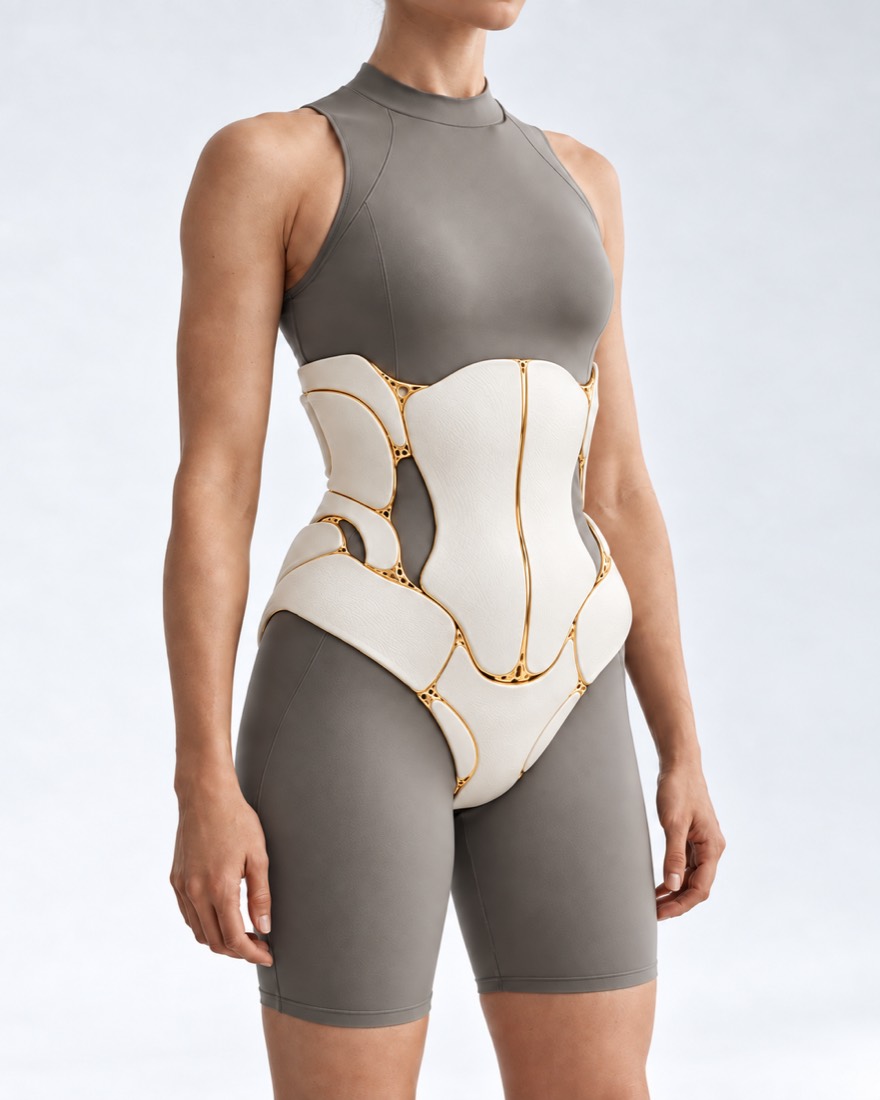 CONCEPTUAL VISUALIZATION
Abdominoplasty, or tummy tuck, is a surgery in which excess skin and fat on the abdomen are removed, and, if necessary, separated muscles are stitched together. According to the NHS, during a full abdominoplasty, a long incision is made across the lower abdomen from hip to hip, above the pubic area, and the navel is moved to a new opening. After the procedure, there is a scar on the lower abdomen and, in a full operation, a scar around the navel.
Some changes after surgery are normal healing. According to the NHS, abdominal numbness can last from several months to years, fluid may temporarily accumulate over the scar, and a red raised scar fades in 12–18 months. Full recovery occurs in about 6 weeks.
Unsatisfactory result — something that does not improve over time: the scar lies high and is not hidden under underwear, it is wide or thick, the ends of the scar have "flaps" of excess skin, the skin above the scar hangs down, the sides or upper abdomen remain full, the navel is deformed. Reviews by French surgeons state that in 30% of cases the result is insufficient and the person requests a repeat procedure.
Healing complications are considered separately — seroma, hematoma, infection, skin necrosis — and a rare but dangerous blood clot in the pulmonary vessels.
This is general information. The doctor will tell you what will suit you after the examination.
Some defects are visible immediately after swelling subsides, some — when the scar matures, after months.
The scar lies higher than expected and is visible under underwear or swimwear. Visible scars on the sides and outside of underwear are among the known complaints after a classic abdominoplasty.
The scar is wide, thick, red, or tight. According to a meta-analysis of 10 studies (1533 patients), 2.4% had a hypertrophic scar.
Hypertrophic scarAt the ends of the scar, skin folds stick out, or the skin above the scar hangs down.
The sides or area above the navel remain full, there is no waist curve. Fat remnants are one of the reasons for repeat procedures.
The navel is deformed, displaced, narrowed, or with a coarse scar. According to a meta-analysis, navel problems occurred in 1.58% of patients.
Fluid collects above the scar, the area swells and “sloshes”; or the wound has opened or is not healing.
Difference of seamsPart of the causes are related to the surgical technique, part — to the person's health and weight.
According to a review by French surgeons, following technical rules during the first abdominoplasty can reduce defects that later require repeat interventions.
When the excess is not completely removed, "ears" appear at the ends of the scar, and the sides and upper abdomen remain full.
According to a meta-analysis of 82 studies, smoking statistically significantly increased the risk of complications after abdominoplasty, as well as after most cosmetic surgeries.
In a cohort of 25,478 abdominoplasties, the relative risk of serious complications was higher in men (1.8), people aged 55 and over (1.4), and those with a body mass index of 30 and above (1.3).
In the same cohort, serious complications after a single abdominoplasty occurred in 3.1%, and in combination with liposuction and other body contouring procedures — in 10.4%.
A high or thick scar, "ears," excess skin, or a deformed navel noted months later is a planned situation and generally does not require urgent care. Another matter is the first weeks after surgery. In a cohort of 11,137 patients after abdominoplasty or panniculectomy, a pulmonary thrombus occurred on average 10.5 days post-surgery, and 87.2% of these cases occurred after discharge. If any of the signs listed below appear, do not wait for it to pass and do not travel on your own — call 103.
Immediately - to the surgeon who operated, and if it does not work - to the reception department: severe or increasing abdominal pain or pain in the surgical area; the surgical area swells rapidly, becomes tense, and painful. On the same day: to the surgeon who performed the operation, or if this is not possible — to any surgeon, if one leg (usually the calf) is painful and swollen, coughing up blood appears, the skin near the scar or navel darkens, turns blue or black, the wound is red, hot, oozing pus, the stitches have come apart, or the temperature rises to 38°C and above. In the coming days: swelling over the scar that "squishes" under the fingers or increases — possible seroma. Planned: high or thick scar, "dog ears," excess skin or fat, navel — the scar matures in 12–18 months, but you can see a doctor earlier.
When, where, and exactly what type of abdominoplasty was done, whether the muscles were stitched, how the healing proceeded; discharge summary and preoperative photos, if available.
The surgeon examines the abdomen standing and lying down: the level and quality of the scar, "ears," remaining skin and fat, navel, abdominal wall tone.
What exactly is wrong — skin, fat, scar, or navel; this determines which correction to choose.
Helps to find a seroma or other fluid accumulation and assess the abdominal wall.
Acute complications are treated immediately. Aesthetic correction is planned when the wound has healed, swelling has subsided, and the scar has matured: from a small scar excision under local anesthesia to a repeat operation.
Healing complications.
Care from the first weeks, correction after maturation.
Repeat correction.
Unsatisfactory results of abdominoplasty at the Dr. Valikhnovskyi Institute of Surgery are treated in the direction of "Treatment of complications of aesthetic surgeries" — including situations where the first operation was performed at another clinic or abroad. Bleeding, hematoma, infection, and necrosis are treated immediately; pulmonary thrombus — in a multidisciplinary hospital; aesthetic correction — after healing and reduction of swelling.
Plastic surgeon, candidate of medical sciences, founder of Dr. Valikhnovskyi Institute of Surgery.
Short answers. What is right for you, the doctor will tell you during the consultation.
Yes. The doctor assesses what is now and makes a plan. Take a statement from that clinic and a photo before the operation, if you have them.
This may be a seroma — a fluid accumulation under the skin. According to the NHS, temporary fluid accumulation above the scar is common, but see a surgeon in the coming days: the fluid is removed by puncture if necessary.
Usually after it matures: according to the NHS, a red raised scar fades within 12–18 months. Care with silicone can start earlier. The exact timing will be given by the doctor during the examination.
These are folds of excess skin at the ends of the scar. In a series of 278 abdominoplasties, 12% of patients had them, and excision of the "ears" was required in 10%.
Yes, but it has its own risks — infection, seroma, skin necrosis. Whether it is needed or a smaller correction is enough, the doctor will say after an examination.
Yes. According to a meta-analysis of 82 studies, smoking increased the risk of complications after abdominoplasty. It is worth quitting smoking before the correction.
Sudden shortness of breath, chest pain, rapid heartbeat, fainting — call 103. Severe or increasing abdominal pain or rapid swelling in the surgical area — immediately to the surgeon who operated, and if that is not possible — to the emergency department. A clot can appear at home: in a large cohort — on average 10.5 days after surgery.
The figures on the page are from these sources.
Send a photo of your abdomen and discharge summary from the clinic where the abdominoplasty was performed. The doctor will say what can be corrected and when.
Leave your contact details and briefly describe the situation. A coordinator will contact you to agree on the next step.