Bulge in the scar
A soft lump in the scar or nearby, which becomes larger when standing, coughing, or straining, and decreases when you lie down.
 Discuss your case
Postoperative hernia — a bulge in the area of a scar after abdominal surgery: a portion of the intestine or fat protrudes through a weak spot in the abdominal wall. If the hernia interferes with life, it is electively closed — guidelines recommend a mesh behind the muscles.
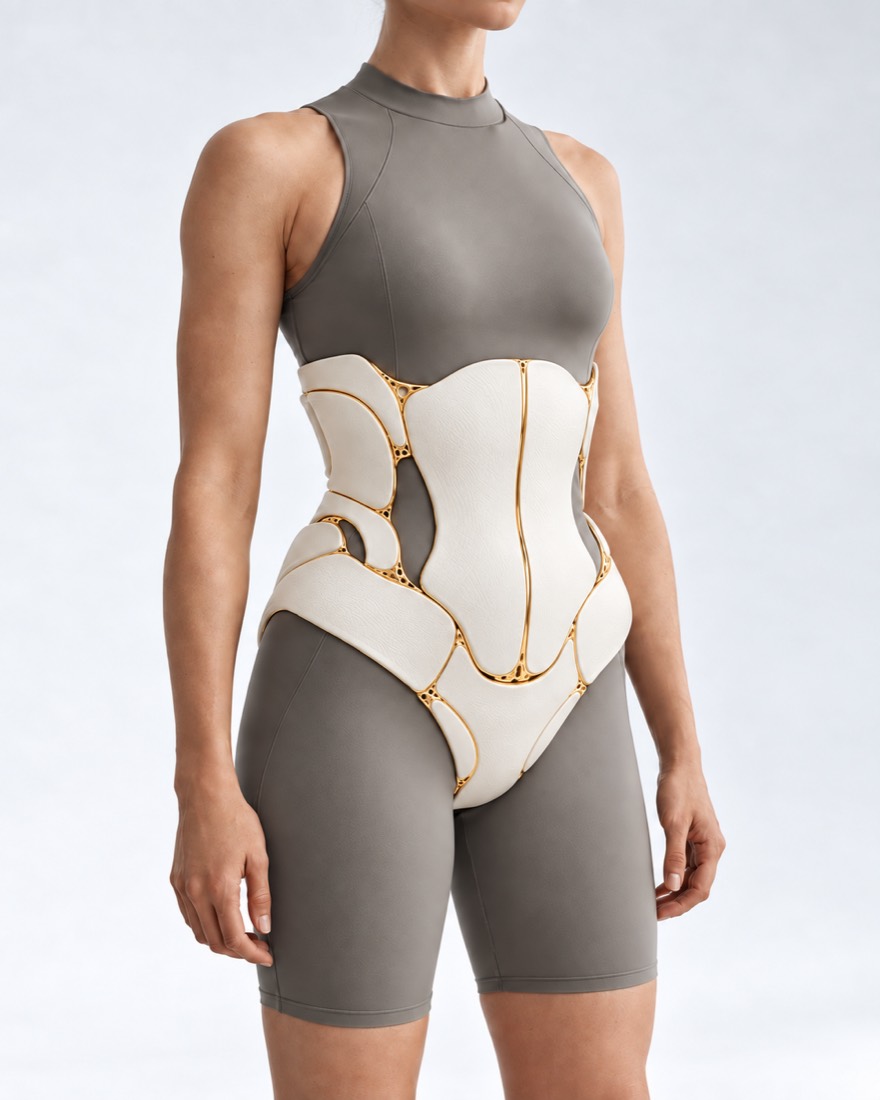 CONCEPTUAL VISUALIZATION
Postoperative hernia — a protrusion in the area of the scar left after abdominal surgery. Due to a weak spot in the abdominal wall, part of the intestine or fat protrudes outward. The hernia can appear after open surgery or at the site of a puncture after laparoscopy — more often where the puncture was 10 mm or larger or near the navel.
This is a common complication of abdominal surgeries: according to a meta-analysis of 56 publications (14,618 patients), approximately 2 years after a midline incision, hernia occurred in 12.8%, and surgical repair, according to the authors’ estimates, was required in 5.2% of those operated on.
If the hernia is reducible, the risk of strangulation is low: according to European guidelines — 1% in the first year and 2.5% over 5 years. But emergency hernia operations cause significantly more complications and deaths than planned ones. Therefore, the main question is how much the hernia interferes with daily life. This is what determines whether surgery is needed.
This is general information. The doctor will tell you what will suit you after the examination.
The main sign is a bulge in the scar or near it. It is also important to know the signs of strangulation: in that case, help is needed immediately.
A soft lump in the scar or nearby, which becomes larger when standing, coughing, or straining, and decreases when you lie down.
The skin over the hernia may appear tight and stretched.
The hernia may pull, cause pain or discomfort, and interfere with everyday activities. The impact on quality of life is the main factor considered when deciding about surgery.
A large hernia may not hurt: the weak spot is stretched, and the contents freely move out and back. Pain usually occurs with smaller ones.
Pain in the hernia or around it may be a sign of strangulation. See a doctor the same day, and if the pain is severe and doesn't go away — call 103.
The hernia has become hard, painful, cannot be pushed back, the skin over it has changed color, you feel nauseous or are vomiting, gas is not passing — this is a reason to call 103.
European guidelines list factors related to the person themselves and to the surgery. Some of them can be changed even before the next operation.
It seems to have the greatest impact: in the combined data of 4,933 patients, hernia occurred in 19.4% of those whose wound after surgery got infected, versus 6.9% without infection.
Excess weight increases the risk of hernia after abdominal surgery.
In the combined data from 4 cohort studies, hernia occurred in 18% of smokers compared to 7.7% of those who do not smoke or quit; the quality of evidence is very low.
In pooled data from 7 cohort studies, hernia occurred in 14.6% of people with diabetes versus 8.7% without it. The risk is also increased by medications that suppress the immune system.
A midline abdominal incision more often leads to hernia than a transverse or lateral one: in pooled data from randomized trials — 10% versus 5.2%. Hernia is also more frequent in older people and in those who have previously undergone abdominal surgery.
Hernia more often appears at puncture sites of 10 mm or more, near the navel, and after single-incision laparoscopy.
Umbilical herniaA postoperative hernia that remains soft and reducible does not require emergency care. But if it becomes strangulated, the intestine may lose its blood supply. Call 103 if even one of the following occurs — with a hernia or after its repair:
Do not drive yourself — have someone take you or call 103. Do not forcefully push in a painful hernia. Immediately - to the surgeon who operated, and if it does not work - to the reception department: after plastic surgery, pain or swelling in the surgical area increases. On the same day: the hernia started to hurt but remains soft and reducible; the abdomen has bloated; mild fever; after plastic surgery the wound became red or is oozing pus; after surgery there is a cough with blood or pain and swelling of a leg (usually calf) or arm — these may be signs of a clot. Planned: you noticed a bulge in the scar; the hernia is getting bigger, pulls or interferes with usual activities; the hernia returned after previous surgery — make an appointment for a consultation.
What abdominal surgeries were performed and when; whether the wound got infected; whether the hernia has already been operated on; smoking, weight, diabetes, and medications.
The doctor examines the abdomen standing and lying down, asks to cough or strain; evaluates the size of the hernia and whether it is reducible.
If the examination does not give a definite answer. The most sensitive — CT; ultrasound or MRI with straining — when cost or avoiding radiation is important.
If surgery is planned, instructions recommend CT or MRI to plan it.
The main goal of treatment is quality of life. Not every hernia needs to be operated on immediately; if surgery is needed, it is prepared for, and plastic repair is performed with a mesh. There is little evidence for guidelines, so the decision is made individually.
If the hernia can be pushed back in and does not cause problems.
What to change before planned surgery.
Mesh behind the muscles, defect closed.
Depends on the hernia and the surgeon's experience.
Recovery and possible complications.
Postoperative hernias at the Dr. Valikhnovskyi Institute of Surgery are treated under the 'Flat Stomach' approach. The method is chosen based on the size of the hernia, previous surgeries, and the condition of the abdominal wall.
Plastic surgeon, candidate of medical sciences, founder of Dr. Valikhnovskyi Institute of Surgery.
Short answers. What is right for you, the doctor will tell you during the consultation.
It is not worth counting on this. Among the risks of delaying surgery, guidelines cite an increase in the defect and deterioration in quality of life.
No, if the hernia is reducible and does not interfere: the risk of incarceration is small — about 1% in the first year and 2.5% over 5 years. Surgery is recommended when the hernia worsens quality of life.
After stitching, the hernia recurs more often: in a study of 181 patients over 10 years — in 63% versus 32% after mesh repair.
Both approaches, as well as robotic, are acceptable — the choice depends on the hernia and the surgeon’s experience. After laparoscopy, the wound is less likely to become infected, and no difference was found in hernia recurrence.
Yes, the guidelines recommend this: excess weight, poorly controlled diabetes, and smoking are important modifiable factors. If weight loss is not successful, the decision is made together with the surgeon.
Heavy lifting and straining exercises—no earlier than 4 weeks: this is how long it takes for the mesh to integrate. You can move within your comfort limits immediately.
Yes. According to various studies, after post-operative hernia repair, the hernia recurs in 23–50% of cases. The risk is higher in smokers, in diabetes, after wound infection and other complications, and also after repair without mesh.
The figures on the page are from these sources.
Send a CT or ultrasound and records of previous surgeries. The doctor will say whether surgery is needed and how to prepare for it.
Leave your contact details and briefly describe the situation. A coordinator will contact you to agree on the next step.