The eyelid turns outward
The lower eyelid pulls away from the eye, and the eye does not close completely.
Ectropion Discuss your case
Facial and neck scar contractures are a condition where the scar after a burn tightens the skin: it turns the eyelid outward, narrows the mouth, pulls the lip or chin toward the chest. Because of this, it is difficult to close the eye, eat, speak, lift, and turn the head.
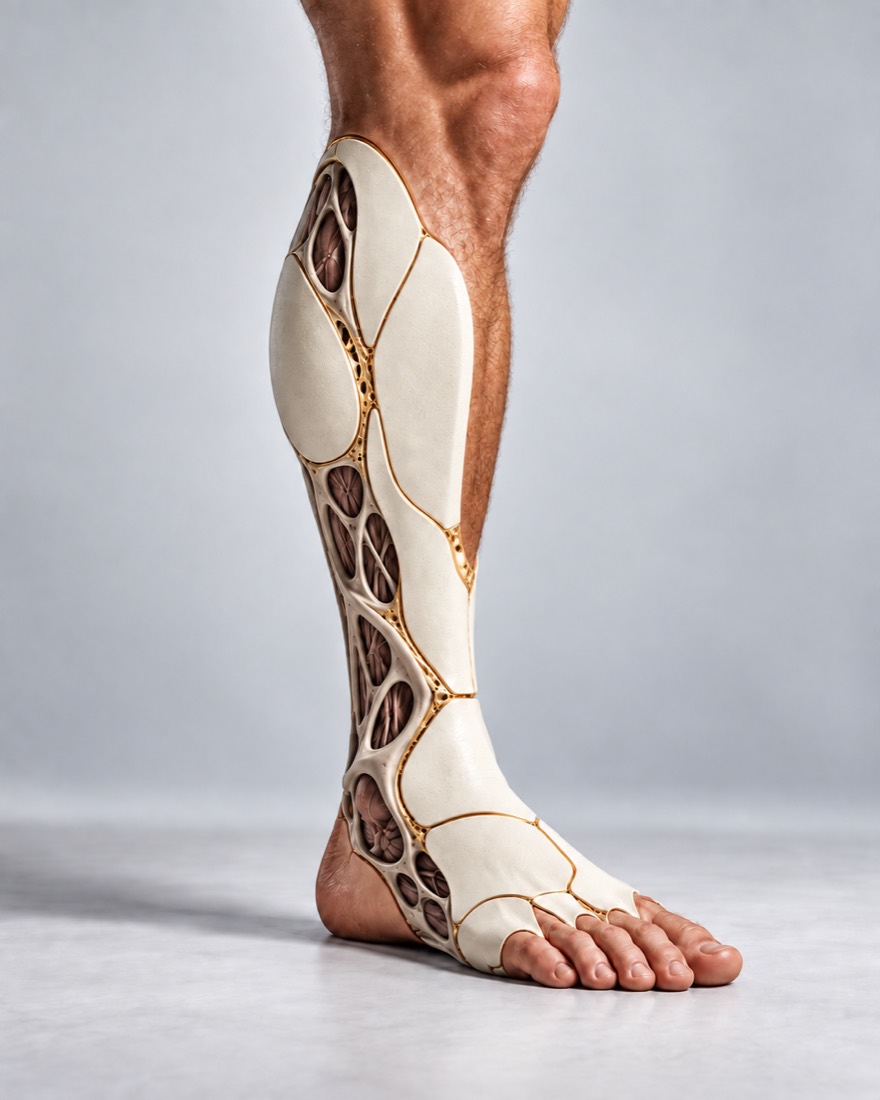 CONCEPTUAL VISUALIZATION
Contracture is a scar that tightens and limits movement. The face is especially prone to contractures: there are many concave areas — around the eyes, mouth, nose — and the scar can pull the skin so that the face becomes deformed. On the neck, the scar pulls the chin to the chest and does not allow the head to be lifted.
Scar and contracture are different problems. A normal scar requires care and rehabilitation: silicone, massage, laser. A contracture needs extra skin because there is not enough of its own, and skin can only be added through surgery.
Neck contracture affects not only appearance: it can impair chewing, speech, and breathing and cause neck pain. Eyelid contracture threatens the eye, and a narrowed mouth makes it difficult to eat and brush teeth.
In a systematic review (9 articles and 1 thesis), the frequency of contractures at discharge from the burn unit was 38–54%, and later it was lower. Study data vary greatly.
This is general information. The doctor will tell you what will suit you after the examination.
A contracture is usually noticeable when something stops moving as it did before: eyelid, lip, neck.
The lower eyelid pulls away from the eye, and the eye does not close completely.
EctropionThe scar pulls the corners of the mouth, the mouth opens less, making it difficult to eat and brush teeth.
MicrostomeThe scar pulls the lower lip down or the nasal wing up; in children, scar traction can deform the nose and teeth.
The scar pulls the chin to the chest: it is difficult to look up, turn the head, or tilt it back.
A scar forms a narrow tight band or a wide contracted area — the choice of surgery depends on this.
A contracted area is difficult or painful to move; the neck may hurt.
Contracture is the result of excessive scarring and the fact that the scar continues to contract after healing.
In a systematic review, contractures more often occurred after more severe burns and flame burns.
Scars after facial burnsIn the same review, contractures more often occurred on the neck and arms; the neck is also mentioned among areas at risk of hypertrophic scars.
In children, contractures occur more frequently, and scars on the face may affect facial growth.
The risk of contractures was also associated with female sex; the risk of hypertrophic scars — with delayed healing and multiple surgeries.
Ancient contracture usually does not require emergency care. Immediate help is needed for a fresh burn (cool it with cool running water for 20 minutes), for breathing problems and eye issues, as well as for concerning signs after eyelid surgery.
Immediately - to the surgeon who operated, and if it does not work - to the waiting room: after neck or facial surgery (not on the eyelids) increasing pain or swelling. If it is also difficult to breathe — call 103. On the same day: the eye is red and very painful; scar or wound after surgery is swollen, hot to the touch, with pus discharge. In the coming days: The scar pulls the eyelid, and the eye does not close completely; in a child, the scar pulls the eyelid or narrows the mouth. Planned: It is difficult to lift or turn the neck, the mouth does not open wide, the scar pulls the lip, but the condition has not changed for a long time.
When the burn occurred, how it was treated, which surgeries have already been done, what interferes the most: eye, mouth, neck movement, or appearance.
How much the head lifts and turns, the mouth opens, whether the eyes close completely.
A cord or a wide tight area; which areas of the neck are involved — front, sides, one or several.
Which adjacent skin can be used for a flap: chest, area above the collarbone, back.
In cases of pronounced neck contracture, the anesthesiologist plans in advance how to ensure breathing during the surgery.
The goal is to restore movement to the eyelids, mouth, and neck, and then improve appearance. The method is chosen individually: depending on the size and location of the contracture, and on how much healthy tissue is nearby.
Prevention and mild contractures.
When there is not enough skin.
What is worth knowing in advance.
Facial and neck contractures at the Institute of Surgery of Dr. Valikhnovskyi are treated in the direction of "Post-burn Reconstruction": first restoring movement and function, then working on appearance. A scar that prevents the eye from closing or the mouth from opening is operated on earlier, without waiting for other scars to mature.
Plastic surgeon, candidate of medical sciences, founder of Dr. Valikhnovskyi Institute of Surgery.
Short answers. What is right for you, the doctor will tell you during the consultation.
Splints, laser, and exercises help, especially in the early stage. But if the scar is already lacking skin, it can only be added surgically.
It might, but not often: in a meta-analysis, recurrent contractures and disfiguring scars occurred in about 6% of cases. To prevent the contracture from returning, splints and exercises are prescribed after surgery.
If the scar prevents closing the eye or opening the mouth — sooner, without waiting. In other cases, usually they wait until the scar matures.
In studies, the most commonly described flaps are from the back (scapular) and from the area above the clavicle; the skin of the chest is also used. Sometimes skin is transplanted from other parts of the body.
The anesthesiologist plans in advance how to ensure breathing and, if necessary, does it while the patient is still awake. Tell them about the contracture and previous anesthesia.
Yes. Scars can interfere with facial growth, so children are examined regularly, and the eyes and mouth are treated as early as possible.
A regular scar is treated with care, silicone, and laser. A contracture limits movement, and additional skin is needed for it.
The figures on the page are from these sources.
Send photos of the face and neck directly, from the side and with the head tilted back. The doctor will say what can be done and where to start.
Leave your contact details and briefly describe the situation. A coordinator will contact you to agree on the next step.