CONDITION / TORSO AND ABDOMEN

Umbilical hernia in adults and children.

Umbilical hernia — a soft bulge near the navel: due to a weak spot in the abdominal muscles, part of the intestine or fat protrudes outward. In young children, it often disappears on its own, while in adults it does not go away on its own and is surgically treated; to reduce the likelihood of hernia recurrence, guidelines recommend a mesh.

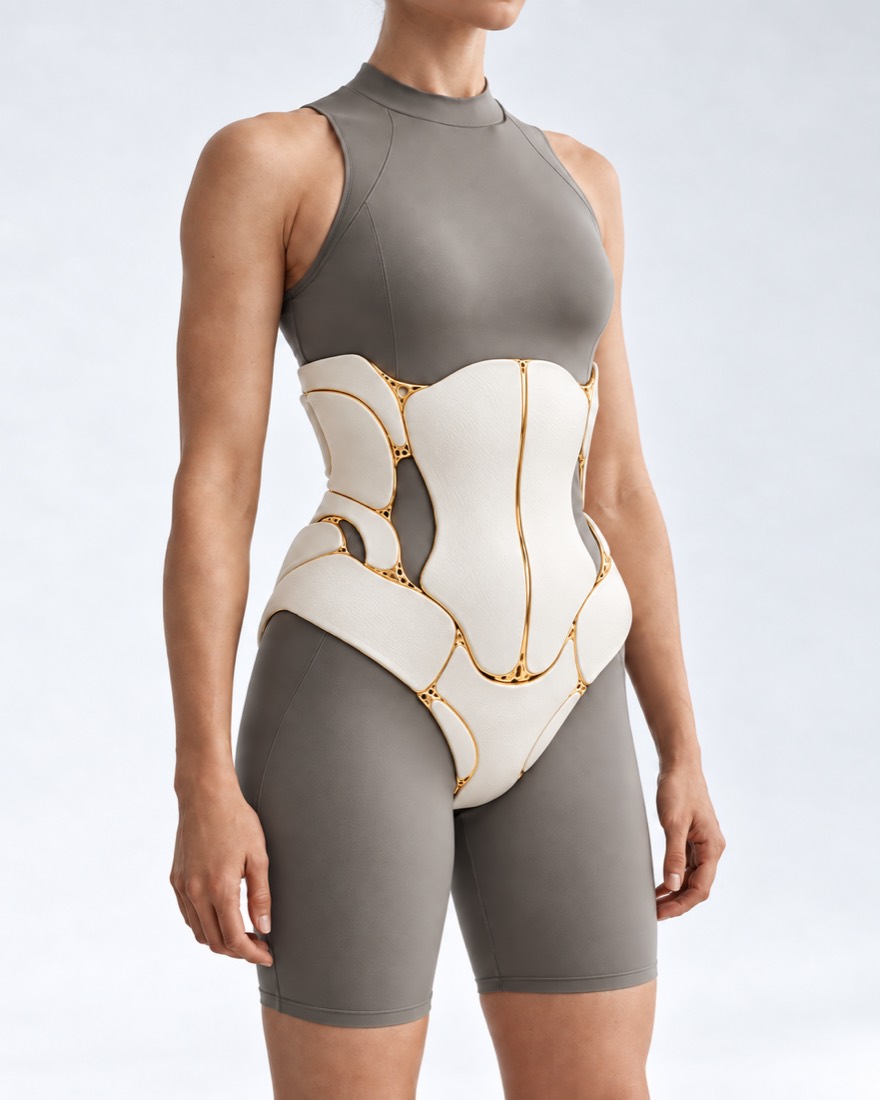
Conceptual visualization: anterior abdominal wall and navel areaCONCEPTUAL VISUALIZATION
What it is
Bulging near the navel: part of the intestine or fat protrudes through a weak spot in the abdominal muscles.
In children
Often disappears on its own — usually by age 5; complications in children are very rare.
In adults
Does not go away on its own. Planned surgery; guidelines recommend a mesh to reduce the chance of hernia recurrence.
Danger
Strangulation: the intestine may lose its blood supply. Then — call 103 and surgery as soon as possible.

What is
Umbilical hernia.

Umbilical hernia is a protrusion in the navel area. Through a weak spot in the abdominal muscles, part of the intestine or the fat surrounding it pushes outward. Usually, it appears as a soft lump directly in the navel or nearby, which enlarges when you cough or strain and reduces when you lie down.

In adults, umbilical hernias can be small (about 1 cm), medium (from 1 to 4 cm), and large (more than 4 cm). They usually do not cause pain, but they can be bothersome during coughing or straining. The hernia itself does not resolve in adults, so surgery is usually recommended.

In infants and young children, umbilical hernia is common: after birth, the muscles around the umbilical ring do not close completely. This type of hernia usually disappears on its own by age 5, and complications in children are very rare.

The most dangerous complication is — incarceration: the blood supply to the intestine that has protruded into the hernia is blocked. This is an urgent condition, and surgery is needed as soon as possible.

This is general information. The doctor will tell you what will suit you after the examination.

How
Umbilical hernia presents.

Usually, an umbilical hernia is just a bump near the navel that does not hurt. It is important to know which changes indicate that the hernia is strangulated.

01

Bump near the navel

A soft protrusion in or near the navel. In children — from a pea to 2 cm, in adults — from 1 to over 4 cm.

02

Increases with strain

During coughing, sneezing, straining, or a child's crying, the hernia increases, and when lying down — it decreases.

03

Discomfort

An umbilical hernia usually does not hurt; in adults, there may be discomfort when coughing or straining.

04

Skin is stretched

The skin over the bump may appear tight and stretched. A large hernia may not hurt — pain usually occurs with small ones.

05

Pain in the hernia

Pain in the hernia or around it, especially when it is small, may be a sign of strangulation. See a doctor the same day, and if the pain is severe and does not go away — call 103.

06

Incarceration

The hernia has become hard, painful, cannot be pushed back, the skin over it has changed color, you feel nauseous or are vomiting, gas is not passing — this is a reason to call 103.

Why does it occur?
Umbilical hernia.

A hernia appears where the abdominal muscles are weaker — in particular around the navel. Here is what leads to this.

In children

After birth, the muscles around the umbilical ring, where the umbilical cord passed, do not close completely.

Excessive weight

Living with excessive weight is one of the causes of an umbilical hernia in adults.

Pregnancies

Pregnancy gradually increases pressure in the abdomen: it can cause a hernia or make an existing one noticeable. Among the causes of hernia in adults are multiple pregnancies.

Fluid in the abdomen

Ascites — accumulation of fluid in the abdomen, for example, in liver diseases. In people with cirrhosis, umbilical hernia occurs often and can be serious.

Muscle separation

After pregnancy or with excessive weight, the rectus abdominis muscles may separate — this is diastasis. It can occur alongside an umbilical hernia; due to a lack of research, there is no single recommendation on how to treat them together — the plan is made individually.

Diastasis rectus abdominis

When to seek medical advice?

An umbilical hernia that remains soft and can be pushed back does not require urgent care. What is dangerous is incarceration: the intestine in the hernia can lose its blood supply. Call 103 if an adult or child with an umbilical hernia develops even one of these signs. In children, complications of an umbilical hernia are very rare, but the signs of incarceration are the same.

103 immediately if:

  • The hernia or abdomen suddenly hurts severely and the pain does not stop;
  • The hernia has become hard or painful to the touch and cannot be pushed back in;
  • The skin over the hernia has changed color;
  • Nausea, vomiting, or inability to keep food down;
  • Gas or stool does not pass;
  • The abdomen hurts when touched.

Do not delay a visit to the doctor:

Do not drive yourself — have someone take you or call 103. Do not try to push back a painful hernia by force — only a doctor should do this. On the same day: The hernia started to hurt, but remains soft and can be pushed back; the abdomen is bloated; an adult with a hernia has developed a fever, high temperature, or chills. Planned: have you noticed a lump near the navel on yourself or your child; is the lump getting bigger or not going away; does the hernia bother you when coughing or during exertion? If the hernia in a child has not disappeared by 4–5 years, show it to a surgeon.

As defined,
what is a hernia.

  1. Conversation

    When did the lump appear, is it growing, does it hurt; what abdominal surgeries have been done; pregnancies, liver diseases, diabetes, smoking, and medications.

  2. Review

    The doctor examines and palpates the navel area while standing and lying down, asks to cough; assesses the size of the hernia and whether it can be reduced.

  3. Ultrasound or CT if needed

    If the diagnosis is unclear, the hernia is large, or there is a diastasis nearby — to measure the defect and plan the surgery.

  4. Preparation for surgery

    In a Danish study of 1,965 patients with small hernias, smokers were more likely to be readmitted (9.6% versus 6.4%). Therefore, the doctor will discuss what can be changed in advance.

How we treat
umbel hernia.

In young children, they usually wait for the hernia to close on its own. In adults, a hernia does not go away by itself, and surgery is usually recommended — especially when the hernia is bothersome. There are few studies specifically on umbilical hernias, so most European and American guidelines are weak, and decisions are made individually.

01

Umbilical hernia in a child

Treatment is usually not needed.

Wait until 4–5 years
According to a systematic review, it is safe to observe an asymptomatic hernia until the age of 4–5, regardless of its size. After the age of 5, the hernia rarely closes on its own.
How long it takes to close
In one clinic with 442 children who were observed without surgery, in 85% the hernia closed on its own by 1–5 years.
When surgery is performed
If the hernia is very large or has not disappeared with age — the decision is made by a pediatric surgeon.
02

Observation in adults

If the hernia is small and not bothersome.

What is known
In a Danish study of 789 patients with umbilical or epigastric hernia, among those who were observed without surgery, the probability of surgery within 5 years was 16%, and emergency surgery — 4%.
Important
Know the signs of incarceration. If the hernia starts to hurt — see a doctor the same day, if it worsens — make an appointment for a consultation.
03

Surgery

Planned, usually under general anesthesia.

Mesh or stitches
Small hernias can be stitched, but European and American guidelines recommend mesh so that the hernia recurs less often. Most hernias can be operated on openly: a flat mesh is placed under the abdominal wall, above the peritoneum.
What the research showed
In a randomized study of 300 adults with a 1–4 cm hernia, over a median observation period of about 25 months, the hernia recurred in 4% after mesh repair and in 12% after stitching. In a review of 12 studies (2,926 patients), mesh reduced hernia recurrence even with defects smaller than 2 cm.
What is taken into account
According to a meta-analysis of 14 studies (2,361 patients), seroma — fluid accumulation in the wound — is more common with mesh, while no difference was found in the risk of infection, hematoma, and chronic pain.
Laparoscopically
Guidelines suggest considering laparoscopy if the defect is large or there is a high risk of wound problems. In a meta-analysis of 13 studies (5,458 patients, mostly non-randomized), early complications and hernia recurrence were less frequent after laparoscopic repair than after open repair.
04

Special situations

When the plan is changed.

Planning a pregnancy
A subsequent pregnancy increases the risk of hernia recurrence, so guidelines recommend postponing elective surgery until after the last pregnancy—if the hernia is not incarcerated.
Liver cirrhosis
In a review of 23 studies (3,229 patients) in people with cirrhosis, mortality after emergency surgery was higher than after elective surgery; the quality of evidence is very low. Guidelines recommend mesh repair over the peritoneum; surgery is planned together with the physician managing the liver disease.
Hernia and diastasis
If the rectus muscles have separated near the hernia, due to a lack of studies, guidelines do not give a single recommendation — the plan is made individually.

How
we treat it.

Umbilical hernias in adults at the Dr. Valikhnovskyi Institute of Surgery are treated in the “Slim Belly” program — together with postoperative and large hernias and diastasis. The method is chosen based on the size of the hernia, weight, and condition of the abdominal wall.

CLINIC SERVICE Slender belly Abdominal wall with umbilical, postoperative and large hernias and diastasis — mostly minimally invasive. View service

What we do for this condition

  • Suturing a small hernia — for small hernias, stitches may be sufficient.
  • Mesh repair — larger hernias are closed with a mesh — either openly through a small incision or laparoscopically.
  • Endoscopic and robotic surgery — several punctures instead of a large incision; in eTEP, the mesh is placed in the layers of the abdominal wall behind the rectus muscles, without entering the abdominal cavity.
  • Choice of mesh — self-fixing, composite (IPOM), or lightweight meshes — the surgeon chooses based on the size of the hernia and the location where the mesh will be placed.
  • Hernia with diastasis — the rectus muscles are brought together, suturing the linea alba between them, and a mesh is added if necessary; possibly together with abdominoplasty.

Rostislav Valikhnovskyi

Plastic surgeon, candidate of medical sciences, founder of Dr. Valikhnovskyi Institute of Surgery.

How treatment works with us

  1. Photo and ultrasound onlineSend a photo of your abdomen standing, ultrasound or CT results, and discharge summaries — the doctor will preliminarily assess the situation.
  2. ConsultationExamination standing and lying down, hernia size, whether there is diastasis; discussion about previous surgeries, illnesses, and medications.
  3. PlanSurgical method and mesh; preparation — quitting smoking, controlling weight and blood sugar.
  4. SurgeryHernia repair — with sutures or mesh, open or minimally invasive.
  5. RecoveryWalking starts on the day of surgery or the next day; heavy lifting — only after surgeon's permission, usually after several weeks.

Common
questions

Short answers. What is right for you, the doctor will tell you during the consultation.

Can an adult's umbilical hernia go away on its own?

No. In adults, an umbilical hernia does not disappear on its own, so a planned surgery is usually recommended. If the hernia is small and not bothersome, the doctor may suggest observation.

Does a child need surgery for an umbilical hernia?

Usually not: in young children, most hernias close on their own by age 5, and complications are very rare. If it has not disappeared by age 4–5 or is very large, take the child to a surgeon.

Is a mesh mandatory?

Not always: small hernias can be stitched. But guidelines recommend a mesh, because with it the hernia is less likely to recur, even with a small defect.

Can a hernia be reduced on its own?

Do not forcefully push in a painful hernia. If it has become hard or painful and cannot be pushed back, if you feel nauseous, are vomiting, or cannot pass gas — call 103.

I am planning a pregnancy. Should I have surgery now or after?

If the hernia is not strangulated, guidelines recommend postponing elective surgery until after the last pregnancy: the next pregnancy increases the risk that the hernia will return. Discuss this with your surgeon.

How long does recovery take?

The operation itself lasts 30–60 minutes. Full recovery usually occurs within 4–6 weeks; return to work — at least after 1–2 weeks, and if the work involves heavy lifting — up to 6 weeks.

Can a hernia return after surgery?

Yes, it is possible. In a study of 300 adults, hernias recurred less often after mesh repair than after suturing. The risk of complications is increased by smoking and excessive weight.

Sources

18 sources · EHS and AHS guidelines, meta-analyses, randomized studies, and NHS
showCollapse
  1. Guidelines for treatment of umbilical and epigastric hernias from the European Hernia Society and Americas Hernia SocietyBritish Journal of Surgery, 2020doi:10.1002/bjs.11489 ↗
  2. EHS and AHS guidelines for treatment of primary ventral hernias in rare locations or special circumstancesBJS Open, 2020doi:10.1002/bjs5.50252 ↗
  3. Mesh versus suture repair of umbilical hernia in adults: a randomised, double-blind, controlled, multicentre trialLancet, 2018doi:10.1016/S0140-6736(18)30298-8 ↗
  4. Mesh versus suture in elective repair of umbilical hernia: systematic review and meta-analysisBJS Open, 2020doi:10.1002/bjs5.50276 ↗
  5. Mesh versus suture for elective primary umbilical hernia open repair: a systematic review and meta-analysisHernia, 2024doi:10.1007/s10029-024-03106-9 ↗
  6. Onlay mesh versus suture repair for smaller umbilical hernias in adults — early results from SUMMER trial: randomized clinical trialBJS Open, 2024doi:10.1093/bjsopen/zrae173 ↗
  7. Comparing the Efficacy of Laparoscopic and Open Umbilical or Paraumbilical Hernia Repair: An Updated Systematic Review and Meta-AnalysisAmerican Surgeon, 2026doi:10.1177/00031348251413521 ↗
  8. Watchful waiting as a treatment strategy for patients with a ventral hernia appears to be safeHernia, 2016doi:10.1007/s10029-016-1464-z ↗
  9. Emergency umbilical hernia management: scoping reviewBJS Open, 2024doi:10.1093/bjsopen/zrae068 ↗
  10. Smoking and obesity are associated with increased readmission after elective repair of small primary ventral hernias: A nationwide database studySurgery, 2020doi:10.1016/j.surg.2020.04.012 ↗
  11. Umbilical hernia repair in patients with cirrhosis: systematic review of mortality and complicationsHernia, 2022doi:10.1007/s10029-022-02598-7 ↗
  12. Umbilical Hernia Repair and Pregnancy: Before, during, after…Frontiers in Surgery, 2018doi:10.3389/fsurg.2018.00001 ↗
  13. Management of asymptomatic pediatric umbilical hernias: a systematic reviewJournal of Pediatric Surgery, 2017doi:10.1016/j.jpedsurg.2017.07.016 ↗
  14. A Systematic Review of Current Consensus on Timing of Operative Repair Versus Spontaneous Closure for Asymptomatic Umbilical Hernias in PediatricMedical Archives, 2019doi:10.5455/medarh.2019.73.268-271 ↗
  15. Umbilical herniaNHS, 2025nhs.uk/conditions/umbilical-hernia ↗
  16. HerniaNHS, 2026nhs.uk/conditions/hernia ↗
  17. Stomach acheNHS, 2023nhs.uk/symptoms/stomach-ache ↗
  18. When to get urgent medical help for babies and children under 5NHS, 2026nhs.uk/baby/health/when-to-get-urgent-medical-help-for-babies-and-children-under-5 ↗

The figures on the page are from these sources.

VALIKHNOVSKI SURGERY PARTNERS

Bump near the navel
Is the hernia bothering you?

Send a photo and ultrasound results. The doctor will say whether surgery is needed and which method suits you specifically.

Call Send an enquiry
ONLINE ENQUIRY

Tell us how we can help.

Leave your contact details and briefly describe the situation. A coordinator will contact you to agree on the next step.

Preferred contact method