CONDITION / BREAST

Tubular breasts and breast asymmetry.

Tubular breasts are a congenital deformity of the mammary gland: a narrow base, not enough tissue, an enlarged areola, often a noticeable difference between the breasts. It, like severe asymmetry and Poland's syndrome, is corrected surgically, usually after the breasts have stopped growing.

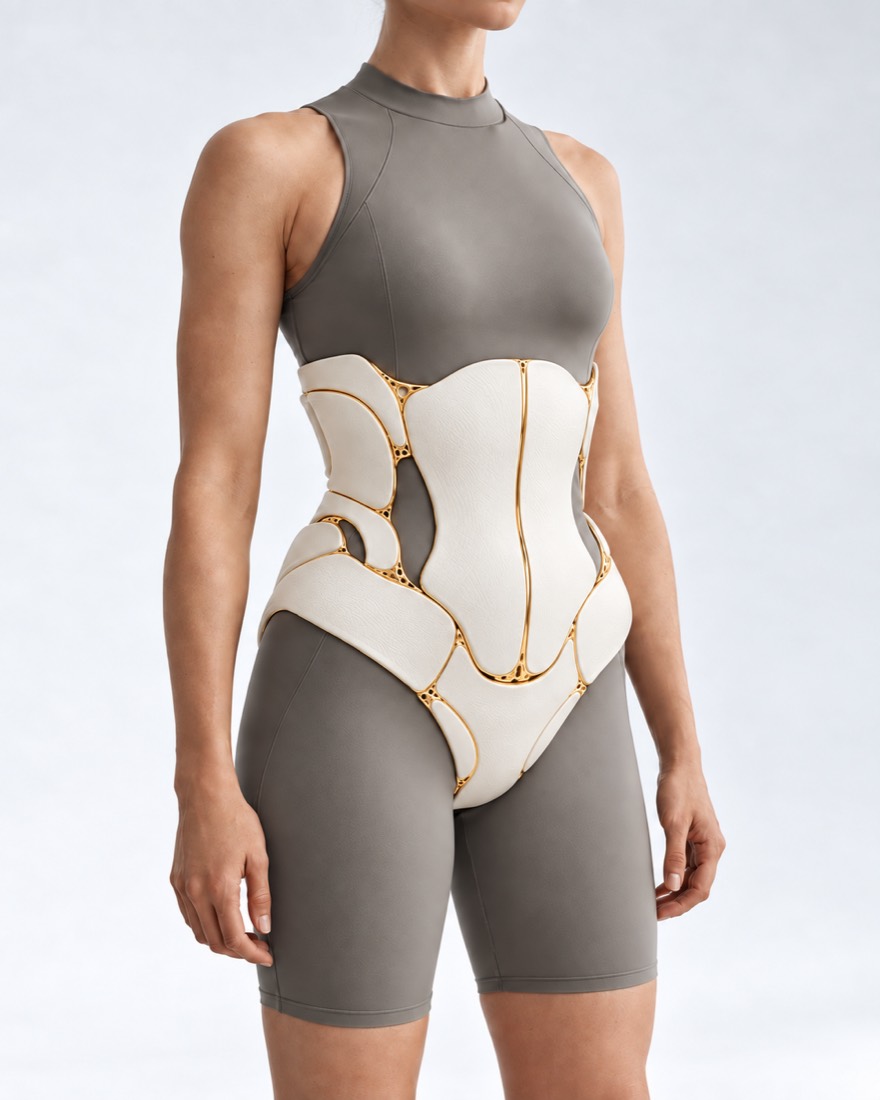
Conceptual visualization: restoring the shape and symmetry of the breastCONCEPTUAL VISUALIZATION
What it is
Congenital breast deformities that become noticeable when the breasts grow during puberty.
How common
The frequency of tubular breasts is unknown: mild forms are difficult to recognize. Poland syndrome is estimated to occur in approximately 1 in 30,000 newborns.
When surgery is performed
Usually after the breasts have stopped growing; terms are discussed individually.
Not just looks
In a study of 59 teenagers with breast asymmetry, self-esteem was lower than that of girls of the same age without it.

What is
tubular breasts and asymmetry.

Tubular, or tuberous, breasts are a congenital deformity of the mammary gland that manifests itself during puberty, when the breasts begin to grow. The base of the breast is narrow, as if tightened by a ring, there is not enough gland tissue, the fold under the breast is higher than usual, the areola is enlarged, and the gland tissue seems to protrude into it. Deformation occurs on one or both sides.

Pronounced asymmetry - when one breast is noticeably larger or of a different shape than the other. It can be physiological, congenital, a consequence of breast tissue disease or interventions on the chest in childhood. Asymmetry is often combined with a tubular shape: in a series of 52 patients with developmental asymmetry, 69% had tubular breasts.

Poland syndrome is a rare birth defect: a part of the pectoralis major muscle is missing or underdeveloped on one side, and with it, the breast. Sometimes the shoulder, arm and hand are also changed. It happens to both women and men.

This is general information. The doctor will tell you what will suit you after the examination.

How is it
looks

The signs are single or all together, on one or both sides. The doctor evaluates each one individually - the operation plan depends on this.

01

Narrow base

The chest seems to be tightened at the base, the lower part is underdeveloped, the fold under the breast is higher than usual.

03

Not enough volume

Gland tissue is missing on one or both sides.

04

The difference between breasts

One breast is noticeably larger or of a different shape. In a series of 52 patients, the authors write that symmetry is the most difficult to achieve, especially with tubular breasts.

05

Pectoral muscle

With Poland's syndrome, the sternocostal part of the pectoralis major muscle is absent or underdeveloped on one side; shoulder, arm and hand can be changed.

06

Mood and self-esteem

Breast defects in teenagers can cause psychological stress. The authors of the study emphasize that breast asymmetry is not only a cosmetic problem.

Why is that?
develops.

These conditions have different origins: tubular breasts are formed during breast development, Poland syndrome is formed before birth.

Breast development

Tubular deformation occurs only in women, during breast development at puberty. It is not known how widespread it is: mild forms are difficult to recognize.

Poland syndrome

They are born with it. The cause is unknown, genetic factors are suspected.

Diseases and interventions

Among 11 adolescent girls with severe asymmetry who were treated at the children's center, in two the cause was interventions on the chest - biopsy or drainage.

Associated features

In a series of 66 patients with Poland's syndrome, 40 had other features, most often - scoliosis.

When to seek urgent medical care?

Tubular breasts, asymmetry and Poland's syndrome are planned conditions, they do not require emergency care. Help is urgently needed for complications after surgery or in a psychological crisis.

103 immediately if:

  • shortness of breath suddenly appeared after the operation;
  • after surgery — chest pain that worsens with inhalation or pain in the upper back;
  • the heart beats very often;
  • the person fainted;
  • breathing is very frequent;
  • confusion or slurred speech;
  • blue, pale, or mottled skin or lips;
  • the person has seriously harmed himself or feels that he may do so now.

Other levels of urgency:

Immediately - to the surgeon who operated, and if it does not work - to the reception department: after surgery, severe or increasing pain in the chest; the chest increases rapidly and becomes tense. On the same day: after surgery - burning, unusual swelling of the breast or a change in skin color: immediately contact the clinic where the operation was performed; if one leg hurts and is swollen or cough with blood appears - see a doctor the same day; thoughts about self-harm or suicide appeared - tell your loved ones and consult a doctor or psychologist on the same day. In the coming weeks: a teenager is constantly worried about the appearance of his breasts, spends a lot of time looking at himself in the mirror or avoids it, his mood is depressed - see a doctor or a psychologist. Planned: the breasts grow with a narrow base, the areola protrudes, one breast is noticeably smaller or the pectoral muscle is missing - for a consultation with a plastic surgeon to assess the situation and discuss the timing.

How we assess
before surgery.

  1. Conversation

    When did the breasts begin to grow, are they changing now, which worries the most. Teenagers come with their parents.

  2. Overview and measurements

    The doctor evaluates the base of the breast, the fold under the breast, the size of the areola, the volume and the difference between the sides; photo in standard angles. For the most part, it is the conversation and examination that distinguish physiological asymmetry from non-physiological.

  3. Poland syndrome

    If the pectoral muscle is underdeveloped, the chest, shoulder, arm and hand are also examined; examinations are prescribed as needed.

  4. Related specialists

    Teenagers may need the help of several doctors: a pediatrician, a pediatric gynecologist, a plastic surgeon, and a psychologist.

  5. Choice of time

    The doctor finds out if the breasts are still growing. For Poland's syndrome, the authors of a review of 66 cases write that surgery is recommended at the end of adolescence, when two consecutive examinations show no changes in size.

How to fix
shape and volume.

There is no single method: the plan is made according to the symptoms that this patient has, and often several methods are combined. Sometimes several operations are required - this is agreed in advance.

01

Tubular breasts

What exactly is being corrected.

Base extension
The tightened base is straightened and the tissue of the gland is redistributed. If an implant is simply placed in case of severe deformation, the breast can retain the "memory" of the old fold.
areola
The enlarged areola is reduced, and the protruding tissue is exercised. In a study of 34 women operated on for congenital asymmetry, of all measurements, only areola diameter was associated with satisfaction with the outcome years later: the larger the areola, the less satisfaction.
Volume
Volume is added with an implant, own fat (lipofilling) or a combination. Sometimes the skin is first gradually stretched with an expander - in two stages.
02

What research shows

Methods
In a review of 38 studies (897 patients aged 13 to 53 years), redistribution of tissues was most often combined with an implant — in 73%; implants had a total of 83%, only own fat - 9%.
Complexity and pleasure
The overall frequency of complications is 20%; according to the subjective assessment, 99% were satisfied. The authors emphasize that more qualitative studies with long-term follow-up are needed.
Symmetry
In a series of 52 patients with developmental asymmetry, experts assessed the appearance as good in 75%, symmetry in 58%.
03

Poland syndrome

Flaps and implants
According to a systematic review of 77 studies, in 60.3% of cases a flap was used, mainly from the latissimus dorsi muscle. Women most often combined a flap with an implant — 34.2%.
Expander
An expander was placed in 22.5% of patients, all of them were women; subsequently, 80.8% of them received an implant.
Own fat
Lipofilling — alone or in combination with other methods — has been used increasingly since the 1990s.
04

To teenagers

When to operate and how to support.

After growth is complete
Breasts change during puberty, so choosing the time of surgery is one of the main questions for teenagers. In the described series, the girls were referred for reconstruction after the completion of breast development.
Future pregnancy
The method is chosen in view of the body changes ahead, in particular pregnancy. With an underdeveloped gland, breastfeeding can be difficult: in a review of 7 small studies, 40 of 42 women stopped exclusively breastfeeding by 1 month postpartum. The topic is little researched.
Psychological support
In a study of 59 adolescents aged 12–21 years with breast asymmetry, psychological indicators and self-esteem were lower than those of peers without breast asymmetry; age, type and degree of asymmetry did not affect this. The authors advise doctors to take this into account and support female patients.

How
we treat it.

Tubular breasts, severe asymmetry, and Poland syndrome are corrected at Dr. Valikhnovskyi's Institute of Surgery in the field of "Mammary gland reconstruction." The clinic is responsible for the surgical part; an examination by a pediatrician or a pediatric gynecologist and psychological assistance are conducted by specialized specialists.

CLINIC SERVICE Breast reconstruction Breasts after mastectomy - with own tissues, implants or fat, immediately or later. View service

What we do for this condition

  • Lipofilling — the volume is restored with own fat, taken by liposuction from other areas; part of the fat is absorbed, so there are usually several sessions.
  • Implants and expanders — the implant is placed immediately or after gradual stretching of the skin with an expander — above or below the muscle.
  • Correction of the second breast for symmetry — so that the breasts are closer in shape and volume.
  • Own fabrics - flaps from other parts of the body, when there is a lack of soft tissues.

Rostislav Valikhnovskyi

Plastic surgeon, candidate of medical sciences, founder of Dr. Valikhnovskyi Institute of Surgery.

How treatment works with us

  1. appealDescribe what bothers you and when your breasts started to grow. Teenagers apply together with their parents.
  2. ConsultationOverview, measurements and photos; the doctor explains what the symptoms are and what can be done about them.
  3. Choice of timeIf the breast is still growing - repeat examinations; the operation is planned when the dimensions have stopped changing.
  4. SurgeryOne or more stages - depending on the signs and the chosen method.
  5. RecoveryA few weeks — supportive underwear and load restrictions, examinations; if necessary, the next stage.

Common
questions

Short answers. What is right for you, the doctor will tell you during the consultation.

At what age can you have tubular breasts?

Usually - when the breasts have stopped growing and their size does not change between examinations. The doctor discusses the dates with the patient and her parents after the examination.

How to understand that these are tubular breasts, and not just small?

Signs are a narrow base, a high fold under the breast, an enlarged areola, into which the tissue protrudes, often asymmetry. Mild forms are difficult to recognize, so the doctor will finally say during the examination.

Is it necessary to put implants?

No. Volume is added with an implant, own fat or a combination of them, and with tubular breasts it is equally important to straighten the base and correct the areola. In the review of studies, 9% of patients were operated on only with their own fat.

Will it be possible to breastfeed?

Depends on how much gland tissue there is. With underdevelopment of the gland, feeding is difficult, but this has not been studied much. After breast augmentation with implants, milk production may be slightly less. Discuss this with your doctor before surgery.

What is Poland syndrome?

A rare birth defect: a part of the pectoralis major muscle is absent or underdeveloped on one side, and with it, the chest; sometimes the shoulder, arm and hand are changed. It is estimated to occur in approximately 1 in 30,000 newborns, in both females and males.

Will the breasts be the same?

The goal is to approximate the shape and volume of the breasts. Symmetry is the most difficult to achieve: in a series of 52 patients, experts assessed it as good in 58%. Sometimes one more step is needed.

The daughter is ashamed and does not want to talk about it. What to do?

Breast defects in teenagers can cause psychological stress. Adolescents are advised to seek the help of several specialists, in particular a psychologist - they can be consulted before deciding on surgery. If you have thoughts of self-harm, seek help the same day.

Are there complications?

Just like after any operation: in a review of 38 studies, the overall complication rate is 20%. Implants don't last forever — they will likely need to be replaced over time.

Sources

21 sources · systematic reviews, consensus, research and NHS
showCollapse
  1. A Systematic Review of Outcomes and Complications of Tuberous Breast SurgeryAesthetic Surgery Journal, 2023doi:10.1093/asj/sjad229 ↗
  2. The Different Surgical Strategies for Treating Tuberous Breast Deformity: A Scoping ReviewJPRAS Open, 2024doi:10.1016/j.jpra.2024.07.011 ↗
  3. Tuberous breast: Current conceptAnnales de Chirurgie Plastique Esthétique, 2016doi:10.1016/j.anplas.2016.08.003 ↗
  4. Hypoplastic breast anomalies in the female adolescent breastSeminars in Plastic Surgery, 2013doi:10.1055/s-0033-1343996 ↗
  5. Developmental breast asymmetryThe Breast Journal, 2011doi:10.1111/j.1524-4741.2011.01104.x ↗
  6. Surgery of congenital breast asymmetry — which objective parameter influences the subjective satisfaction with long-term resultsArchives of Gynecology and Obstetrics, 2022doi:10.1007/s00404-021-06218-0 ↗
  7. Psychological impact of breast asymmetry on adolescents: a prospective cohort studyPlastic and Reconstructive Surgery, 2014doi:10.1097/PRS.0000000000000736 ↗
  8. Breast asymmetry during adolescence: physiologic and non-physiologic causesThe Israel Medical Association Journal, 2010pubmed.ncbi.nlm.nih.gov/20803877 ↗
  9. Breast Disorders in Adolescence: A Review of the LiteratureBreast Care, 2021doi:10.1159/000511924 ↗
  10. Multidisciplinary Team Care: Adolescent BreastSeminars in Plastic Surgery, 2025doi:10.1055/s-0045-1806807 ↗
  11. Consensus based recommendations for diagnosis and medical management of Poland syndrome (sequence)Orphanet Journal of Rare Diseases, 2020doi:10.1186/s13023-020-01481-x ↗
  12. Poland syndrome: A proposed classification system and perspectives on diagnosis and treatmentSeminars in Pediatric Surgery, 2018doi:10.1053/j.sempedsurg.2018.05.007 ↗
  13. Poland Sequence: Retrospective Analysis of 66 CasesAnnals of Plastic Surgery, 2019doi:10.1097/SAP.0000000000001772 ↗
  14. Reconstructive techniques for chest and breast deformities in Poland syndrome: An up-to-date systematic reviewJournal of Plastic, Reconstructive & Aesthetic Surgery, 2025doi:10.1016/j.bjps.2024.12.008 ↗
  15. Is There an Association Between Breast Hypoplasia and Breastfeeding Outcomes? A Systematic ReviewBreastfeeding Medicine, 2021doi:10.1089/bfm.2021.0032 ↗
  16. Breast enlargement (implants)NHS, 2023nhs.uk/tests-and-treatments/cosmetic-procedures/cosmetic-surgery/breast-enlargement ↗
  17. DVT (deep vein thrombosis)NHS, 2026nhs.uk/conditions/deep-vein-thrombosis-dvt ↗
  18. Pulmonary embolismNHS, 2026nhs.uk/conditions/pulmonary-embolism ↗
  19. SepsisNHS, 2026nhs.uk/conditions/sepsis ↗
  20. Help for suicidal thoughtsNHS, 2024nhs.uk/mental-health/feelings-symptoms-behaviours/behaviours/help-for-suicidal-thoughts ↗
  21. Body dysmorphic disorder (BDD)NHS, 2023nhs.uk/mental-health/conditions/body-dysmorphia ↗

The figures on the page are from these sources.

VALIKHNOVSKI SURGERY PARTNERS

Worry about form
or breast asymmetry?

Sign up for a consultation. The doctor will assess the symptoms, tell whether it is time to operate and what options are possible.

Call Send an enquiry
ONLINE ENQUIRY

Tell us how we can help.

Leave your contact details and briefly describe the situation. A coordinator will contact you to agree on the next step.

Preferred contact method