CONDITION / JAWS, MOUTH AND NECK

Malignant tumors of the jaws.

Malignant tumors of the jaws are cancer that grows in the lower or upper jaw from the gums and oral mucosa, or a tumor that grows from the bone itself. Oral cancer that has grown into the jaw and sarcoma of the jaw are treated primarily with surgery, after which the jaw is often rebuilt with its own bone.

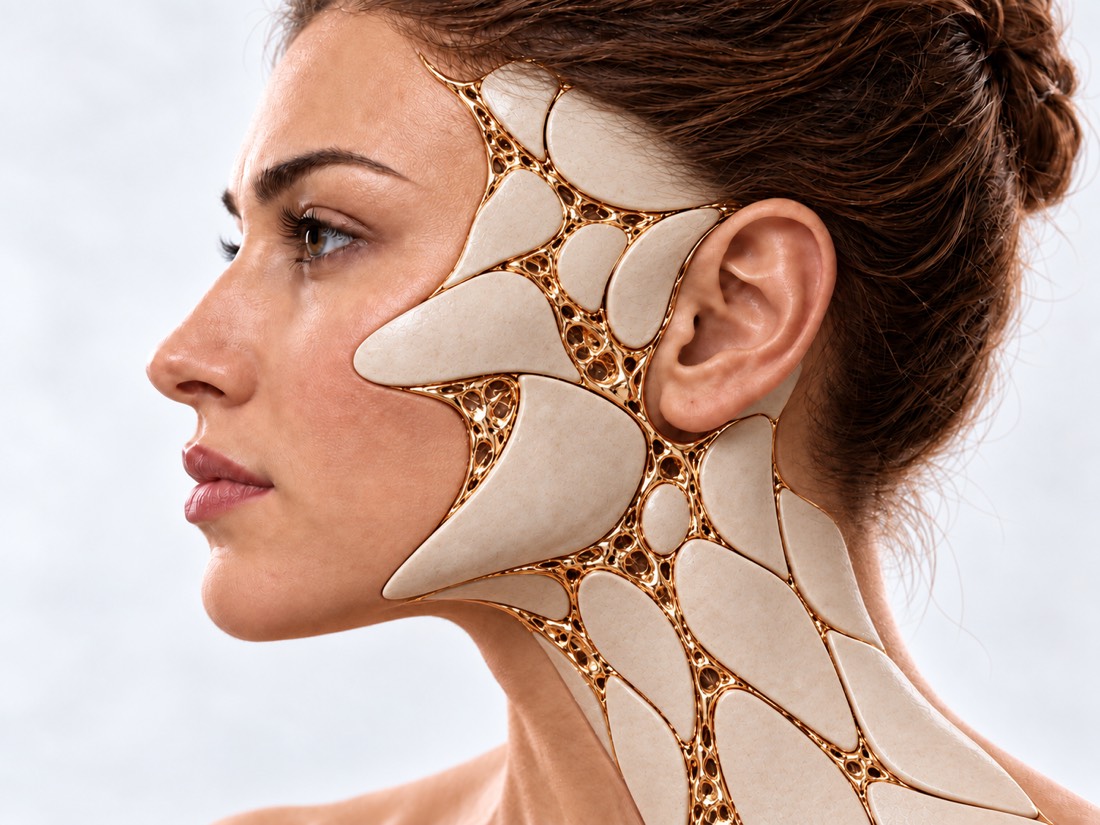
Conceptual visualization: restoration of the lower jaw after tumor removalCONCEPTUAL VISUALIZATION
What it is
Cancer that has grown into the jaw from the oral mucosa, or a tumor that grows from the bone itself.
The main treatment
In case of mouth cancer and sarcoma - surgery: the tumor is removed together with a supply of healthy tissues. Lymphoma and myeloma are treated differently.
Recovery
The jaw is often recreated in the same operation - with a bone from the tibia according to a 3D plan.
Who treats it
The surgeon removes the tumor and restores the jaw; chemo and radiation therapy is prescribed and administered by an oncologist.

What is
malignant tumor of the jaw.

A malignant tumor of the jaw is a cancer that affects the bone of the lower or upper jaw. It happens in different ways: cancer of the gums, floor of the mouth, or cheeks grows into a nearby bone, or the tumor appears in the bone itself.

The jaws are an uncommon site for bone tumors. Osteosarcoma, Burkitt's lymphoma, and multiple myeloma occur more often than others among primary tumors of the jaw bone; cancers and sarcomas from the tissues of the tooth bud occur very rarely. Metastases of other tumors in the jaw are also rare, compared to the rest of the skeleton. Lymphoma and multiple myeloma are managed by an oncologist-hematologist: they are treated differently than oral cancer or osteosarcoma, so these two types are discussed below.

Treatment is planned by several doctors together: surgeon, oncologist, radiation therapist. For tumors of the oral cavity, the main method is surgery; after it, according to the indications, radiation or chemoradiation therapy is added.

This page is about malignant tumors. Ameloblastoma, odontoma and other benign tumors have different tactics - a separate page about them.

This is general information. The doctor will tell you what will suit you after the examination.

How
jaw cancer presents.

These symptoms often have other causes. But if they persist, they should be seen by a dentist or doctor: cancer detected early can be easier to treat.

01

An ulcer that does not heal

An ulcer on the gums or in another part of the mouth that does not go away for more than 3 weeks.

03

Numbness of the lip or chin

For no apparent reason, half of the lower lip or chin went numb. In a review of 102 publications, such a symptom was associated with a malignant tumor in 29–53% of described cases.

04

It looks like a common disease

Osteosarcoma of the jaw is similar in symptoms to benign diseases of the jaws, so it is treated with a noticeable delay.

Benign tumors of the jaws
06

General changes

Pain in the mouth that does not go away, it gradually becomes more difficult to swallow or speak, hoarse voice, weight loss for no reason.

What increases
risk

It is not always possible to find out the cause of mouth cancer. The risk is higher if a person:

smokes

Or chews tobacco, betel or pan. Quitting tobacco is something you can change yourself.

Drinks a lot of alcohol

This is another risk factor that you can change yourself.

Has leukoplakia

White spots on the mucous membrane of the mouth that do not go away.

She already had cancer

Or has a weakened immune system - due to HIV or immune-suppressing drugs. Oral cancer is also linked to changes in genes and some types of human papillomavirus.

When to seek medical advice?

Suspected cancer of the jaw usually does not require 103, but it cannot be delayed either: a suspicious sign must be shown to the doctor without delay. 103 is required for symptoms that threaten breathing or life, both before and after surgery.

103 immediately if:

  • bleeding from the mouth or from a wound that cannot be stopped;
  • the blood is gushing, bright red;
  • difficulty breathing or shortness of breath appeared suddenly;
  • chest or upper back pain;
  • the heart beats very often;
  • the person fainted;
  • difficulty speaking or swallowing;
  • severe swelling in the mouth or neck that grows rapidly.

Do not delay a visit to the doctor:

Immediately - to the surgeon who operated, and if it does not work - to the reception department: pain or swelling increases on the jaw after surgery; the leg from which the bone was taken hurts and swells or the skin there has changed color - this may be a blood clot in the vein. On the same day: you cough up blood; the wound is red, pus flows from it, you feel bad or have a fever. Urgently, without waiting for a scheduled appointment, to a dentist or maxillofacial surgeon: a lump on the lip or in the mouth, a red or red-white spot in the mouth. Urgently to the oncologist: a mouth ulcer that does not go away for more than 3 weeks for no apparent reason, or a lump on the neck that does not go away; don't wait for it to go away. Similarly, if an X-ray of the jaw showed a possible bone tumor; a child or young person with such a finding must be shown to an oncologist within 48 hours. Numbness of the lip or chin for no apparent reason should also be shown to the doctor without delay.

As defined,
what to do

  1. Examination and biopsy

    The doctor examines the mouth, neck and face. The diagnosis is made only by histology — examination of a piece of tissue under a microscope.

  2. CT or MRI

    To see if the tumor has spread into the bone and how deep. In a meta-analysis of 11 studies (477 patients), MRI and CT were equally accurate in detecting mandibular growth.

  3. Neck lymph nodes

    The doctor evaluates the lymph nodes in the neck: it depends on whether surgery and radiation on the neck are needed.

  4. Consilium

    The surgeon, oncologist and radiation therapist together decide the extent of the operation and whether treatment is needed before or after it.

  5. 3D planning

    According to CT, they plan which part of the jaw to remove and how to reproduce it.

How we treat
jaw cancer

For tumors of the oral cavity, the main treatment is surgery. British professional association guidelines (2016) advise removing the tumor with a margin of healthy tissue of about 1 cm, if important adjacent structures allow. Whether radiation or chemotherapy is needed after that, the oncologist decides.

01

Tumor removal

The volume depends on how deep the tumor has grown into the bone.

Marginal resection
Only the edge of the lower jaw is removed, preserving its integrity. According to a meta-analysis of 15 cohort studies (1672 participants), it can be recommended when the tumor has not grown into the bone or affected only the surface.
Segmental resection
An entire segment of the jaw is removed; this option is considered more appropriate when the tumor has grown deep into the bone or bone marrow. In the same meta-analysis, the recurrence-free survival after segmental resection was 73% better than after marginal resection for bone marrow invasion.
Upper jaw
Part of the bone is removed together with the tumor, and the defect is restored with tissues from other parts of the body.
Neck lymph nodes
For tumors of the oral cavity, the British guideline advises to offer treatment to the lymph nodes of the neck in all cases - even when they are not enlarged.
02

Treatment at an oncologist

It is prescribed and conducted by an oncologist.

After surgery
If there are tumor cells left at the edges of the incision or many lymph nodes in the neck are affected, chemotherapy after surgery will better control the disease.
Osteosarcoma
The main thing is to remove the tumor with a sufficient margin. According to a meta-analysis of 20 studies (330 patients), for high-grade osteosarcoma of the jaw, surgery plus chemotherapy resulted in better survival than surgery alone. A 2023 review notes that experts' opinions about chemotherapy before and after surgery differ.
03

Restoration of the jaw

Often — in the same surgery.

Fibula flap
A fragment of the leg bone with its own vessels is formed into the jaw and sewn to the vessels of the neck. According to a meta-analysis of 78 studies (2461 patients), the flap took root in 93%; results did not differ whether the jaw was restored immediately or later.
3D planning
According to a meta-analysis of 6 studies, with virtual planning, the mandibular angle after surgery differed from the planned one by an average of 3.6° versus 7.7° without it.
Dental implants
They can be used in the transplanted bone. According to a meta-analysis of 8 studies (140 patients), 97% of implants served after one year with a prosthesis, but 69% of tumors in these patients were benign. In a small study of 19 patients, 34.1% of implants were retained 5 years after resection for malignant tumor versus 92.3% after resection for other reasons (benign tumors, trauma, osteomyelitis).
04

What changes after treatment

Tongue and chewing
In a meta-analysis of 257 patients (average follow-up of more than 3 years), after jaw reconstruction with a bone flap, speech was restored better than other functions, and mastication was worse than all.
Bone after radiation
The irradiated jaw heals worse. According to a meta-analysis of 6 studies, after modern radiation therapy for oral cancer (IMRT) the death of the bone area — osteoradionecrosis — grew by 8%; the certainty of these data is very low.

How
we treat it.

Restoration of the jaw after the removal of a malignant tumor at the Dr. Valikhnovskyi Institute of Surgery is performed in the "New Face" direction. If the tumor is completely removed, the jaw is often reconstructed in the same operation, and if not, in a separate stage when the histology is ready. The clinic is responsible for surgical recovery; an oncological treatment plan is drawn up together with an oncologist, and chemotherapy and radiation therapy are prescribed and administered by an oncologist.

CLINIC SERVICE A new face Form, symmetry, facial expressions and functions after injuries, wounds, burns, removal of tumors and congenital changes. View service

What we do for this condition

  • Virtual planning and 3D printing — mirror CT modeling and surgical templates, according to which the bone is cut at a given angle.
  • Fibula flap — a fragment of the leg bone with vessels reproduces the lower or upper jaw; later he can have dental implants.
  • Individual implants — plates and fragments of the jaw made of titanium or PEEK, made according to the 3D model of the patient.
  • Radial forearm flap — a thin skin flap used to restore the tongue, lips, cheeks, mucous membrane, and floor of the mouth.
  • Anterolateral thigh flap — for large and deep soft tissue defects.

Rostislav Valikhnovskyi

Plastic surgeon, candidate of medical sciences, founder of Dr. Valikhnovskyi Institute of Surgery.

How treatment works with us

  1. Documents onlineSend a CT scan or MRI, histology and extracts - the doctor will pre-evaluate the situation.
  2. ConsultationReview, assessment of images and histology; coordination of the plan with the oncologist.
  3. Plan3D model of the jaw: what is removed, how and when to restore.
  4. SurgeryReconstruction of the jaw with flaps according to individual templates.
  5. RecoverySome time the food is only soft or liquid; then - examinations by a surgeon and an oncologist, if necessary - dental implants.

Common
questions

Short answers. What is right for you, the doctor will tell you during the consultation.

A mouth ulcer that does not heal is cancer?

Not necessarily: these symptoms often have other causes. But an ulcer that persists for more than 3 weeks should be seen by a dentist or doctor. If it is cancer, early detection can make treatment easier.

Do you always have to remove part of the jaw?

No. If the tumor has not grown into the bone or affected only the surface, only the edge of the jaw can be removed. The entire segment is removed when the tumor has grown deep. The decision is made after an examination, CT or MRI.

Can the jaw be restored immediately?

Often yes, if the cut edges are clean; otherwise, recovery is postponed until histology. According to a meta-analysis of 78 studies, the fibula flap took root equally well with immediate and delayed restoration.

Will radiation or chemotherapy be needed?

It depends on the type of tumor, the edges of the cut and the lymph nodes of the neck. The decision is made by the oncologist together with the surgeon; he prescribes and conducts this treatment.

Will I be able to speak and chew?

Speech and chewing recover differently: in a meta-analysis of 257 patients after jaw reconstruction, speech recovered better than other functions, and chewing worse than all. Dental implants can be used to chew on the transplanted bone.

Can dental implants be placed after cancer treatment?

It is possible, but the decision is individual. According to a small study, implants are lost more often after resection for malignant tumors than after removal of benign tumors. The terms are determined after the bone heals.

Sources

19 sources · guidelines, systematic reviews and meta-analyses, NHS and NICE
showCollapse
  1. Oral cavity and lip cancer: United Kingdom National Multidisciplinary GuidelinesJournal of Laryngology & Otology, 2016doi:10.1017/S0022215116000499 ↗
  2. Marginal or segmental mandibulectomy: treatment modality selection for oral cancer: a systematic review and meta-analysisInternational Journal of Oral and Maxillofacial Surgery, 2018doi:10.1016/j.ijom.2017.07.019 ↗
  3. Comparison between magnetic resonance and computed tomography in detecting mandibular invasion in oral cancer: A systematic review and diagnostic meta-analysisOral Oncology, 2018doi:10.1016/j.oraloncology.2018.01.026 ↗
  4. Malignant tumours of the jawsSADJ, 2012pubmed.ncbi.nlm.nih.gov/23957100 ↗
  5. Management of osteosarcoma of the head and neckCurrent Opinion in Otolaryngology & Head and Neck Surgery, 2023doi:10.1097/MOO.0000000000000900 ↗
  6. Does chemotherapy improve the prognosis in patients with jaw osteosarcoma? A systematic review and meta-analysisInternational Journal of Oral and Maxillofacial Surgery, 2026doi:10.1016/j.ijom.2025.09.008 ↗
  7. Numb chin syndrome: What all oral health care professionals should knowJournal of the American Dental Association, 2023doi:10.1016/j.adaj.2022.03.007 ↗
  8. The use of vascularized fibula flap in mandibular reconstruction; A comprehensive systematic review and meta-analysis of the observational studiesJournal of Cranio-Maxillofacial Surgery, 2019doi:10.1016/j.jcms.2019.01.037 ↗
  9. Accuracy of virtual planned surgery versus conventional free-hand surgery for reconstruction of the mandible with osteocutaneous free flapsInternational Journal of Oral and Maxillofacial Surgery, 2020doi:10.1016/j.ijom.2020.02.018 ↗
  10. Long-term functional outcomes of vascularized fibular and iliac flap for mandibular reconstruction: A systematic review and meta-analysisJournal of Plastic, Reconstructive & Aesthetic Surgery, 2021doi:10.1016/j.bjps.2020.10.094 ↗
  11. Implant Survival Rate in Mandible Reconstructed with Free Fibula Flaps After Oral Tumors: A Systematic Review and Meta-AnalysisInternational Journal of Oral & Maxillofacial Implants, 2023doi:10.11607/jomi.10373 ↗
  12. Long-Term Outcomes of Dental Implants Following Jaw Resection: A Comparative Analysis of Malignant Tumors and Benign ConditionsInternational Journal of Oral & Maxillofacial Implants, 2026doi:10.11607/jomi.11420 ↗
  13. The incidence of osteoradionecrosis of the jaws in oral cavity cancer patients treated with intensity-modulated radiotherapy: a systematic review and meta-analysisOral Surgery, Oral Medicine, Oral Pathology and Oral Radiology, 2024doi:10.1016/j.oooo.2024.04.008 ↗
  14. Symptoms of mouth cancerNHS, 2023nhs.uk/conditions/mouth-cancer/symptoms ↗
  15. Causes of mouth cancerNHS, 2023nhs.uk/conditions/mouth-cancer/causes ↗
  16. Suspected cancer: recognition and referral (NG12) — recommendations by site of cancerNICE, 2026nice.org.uk/guidance/ng12/chapter/Recommendations-organised-by-site-of-cancer ↗
  17. Pulmonary embolismNHS, 2026nhs.uk/conditions/pulmonary-embolism ↗
  18. Dental abscessNHS, 2026nhs.uk/conditions/dental-abscess ↗
  19. Cuts and grazesNHS, 2026nhs.uk/conditions/cuts-and-grazes ↗

The figures on the page are from these sources.

VALIKHNOVSKI SURGERY PARTNERS

Need to restore
jaw?

Send CT or MRI, histology and reports. The doctor will tell you how and when you can restore the jaw.

Call Send an enquiry
ONLINE ENQUIRY

Tell us how we can help.

Leave your contact details and briefly describe the situation. A coordinator will contact you to agree on the next step.

Preferred contact method